Creosote Log Instructions: A Comprehensive Guide (Updated 01/22/2026)
Today’s date is 01/22/2026. Creosote logs aid in loosening buildup‚ but aren’t a replacement for professional chimney sweeping‚ especially with thick deposits.
These logs offer preventative maintenance‚ improving efficiency and safety‚ though regular inspections and proper wood burning are crucial for a hazard-free winter.
Understanding Creosote and Its Dangers
Creosote is a highly flammable byproduct of incomplete wood combustion‚ accumulating within chimneys as a significant fire hazard. This dangerous substance forms when moisture combines with wood gases‚ solidifying into various stages of buildup. Understanding these stages is vital for effective chimney maintenance and safety.
The primary danger lies in creosote’s flammability; it can ignite‚ leading to a potentially devastating chimney fire. These fires spread rapidly‚ endangering your home and family. Regular chimney inspections are crucial to assess creosote levels and mitigate this risk. While creosote sweeping logs can help loosen some deposits‚ they are not a substitute for professional cleaning‚ particularly when dealing with substantial buildup.
Ignoring creosote buildup isn’t just a fire risk; it also reduces your fireplace or wood stove’s efficiency‚ hindering proper airflow and potentially causing carbon monoxide issues. Prioritizing creosote management is therefore essential for both safety and optimal heating performance.
What are Creosote Logs?
Creosote logs‚ also known as chimney sweeping logs‚ are chemical treatments designed to reduce creosote buildup within chimneys and wood-burning appliance connectors. They aren’t a fuel source themselves‚ but rather are burned with wood to release specific chemicals into the flue.
These logs contain a proprietary blend of ingredients that‚ when heated‚ create a gas-phase reaction. This reaction alters the composition of creosote‚ making it drier and more brittle‚ thus easier to flake off the chimney walls. Brands like Pine Mountain and CSL (Chimney Sweeping Log) are commonly available‚ each with slightly different formulations.
The CSL is specifically noted as being non-corrosive and safe for all masonry chimneys‚ including use with wood stoves and furnaces. However‚ it’s crucial to understand that creosote logs are a preventative measure‚ not a cure-all. They minimize buildup‚ but professional sweeping remains essential for thorough cleaning.
How Creosote Logs Work: The Chemical Process
Creosote logs don’t burn away creosote; they chemically alter it. The logs contain additives that‚ when combusted‚ release gases into the chimney flue. These gases react with the creosote deposits adhering to the chimney liner.
Specifically‚ the chemicals work to dry out the creosote‚ transforming it from a sticky‚ tar-like substance into a flaky‚ brittle form. This process reduces its adhesion to the chimney walls‚ making it more likely to dislodge with subsequent burns or during a professional chimney sweep.
The gas-phase reaction is key – the chemicals need to reach the creosote deposits in a gaseous state to be effective. It’s important to note that this process is most effective on Stage 1 creosote (flaky) and has limited impact on the heavily glazed and dangerous Stage 3 creosote. The CSL brand is formulated to achieve this chemical change safely;
Using Creosote Logs Effectively
Maximize log benefits with strategic timing and frequency. They’re best for preventative maintenance‚ not eliminating significant buildup‚ and should complement professional chimney sweeping services.
Optimal Timing for Creosote Log Use
Determining the ideal time to utilize a creosote sweeping log is crucial for maximizing its effectiveness. These logs are most beneficial as a preventative measure‚ ideally used between professional chimney sweeps‚ rather than as a sole solution for substantial creosote accumulation.
Consider incorporating a log burn early in the heating season‚ before significant buildup occurs‚ and then again mid-season for continued maintenance. Avoid relying on them solely when a noticeable amount of creosote is already present; in such cases‚ a professional cleaning is paramount.
Burning a log during periods of moderate to high fireplace usage can help mitigate creosote formation. However‚ remember that consistent‚ proper wood-burning practices – utilizing dry‚ seasoned wood – are equally important in minimizing creosote development.
Essentially‚ think of creosote logs as a supporting element within a broader chimney maintenance strategy‚ not a standalone fix.
Frequency of Use: When to Burn a Log
Establishing a consistent schedule for creosote log usage is key to preventative chimney care. A general guideline suggests burning a log every 6-12 weeks during the active heating season‚ but this can vary based on fireplace usage and wood type.
Heavy fireplace users‚ or those burning less seasoned wood‚ should lean towards the more frequent end of the spectrum. Conversely‚ those with minimal use and consistently dry wood may extend the interval.
It’s vital to remember these logs are designed to minimize buildup‚ not eliminate it entirely. They shouldn’t replace the recommended annual professional chimney sweep.
Consider burning a log after a particularly heavy period of fireplace use. Regular‚ preventative use is far more effective than attempting to address significant creosote accumulation with a single log. Always prioritize safety and professional inspection.
Burning Instructions: Step-by-Step Guide
Follow these steps for optimal creosote log performance: First‚ ensure your fireplace is operating normally with a healthy draft. Do not burn any other wood with the creosote log – it should be burned alone.
Next‚ place the log directly onto hot embers or burning flames‚ as if it were a regular piece of firewood. Avoid overfilling the fireplace; one log is sufficient.
Allow the log to burn completely‚ following the manufacturer’s instructions – typically around 60-90 minutes. Do not attempt to stir or move the log during burning.
The log will produce a significant amount of foam and potentially sparks; this is normal. Ensure your fireplace screen is securely in place. After burning‚ allow the fireplace to cool completely before inspection or further use.
Safety Precautions When Using Creosote Logs
Prioritize safety when utilizing creosote logs. Always ensure a well-ventilated area during and after burning‚ as the logs release chemicals into the air. Maintain a secure fireplace screen to contain potential sparks or foam produced during the burning process.
Never burn more than one log at a time‚ and strictly adhere to the manufacturer’s instructions regarding burning duration. Do not attempt to break or modify the log in any way before use.
Be aware that creosote logs are not a substitute for professional chimney sweeping; they are a preventative measure. If you suspect significant creosote buildup‚ consult a qualified chimney sweep immediately.
Keep children and pets away from the fireplace during and after burning. Store logs in a dry‚ secure location‚ out of reach of children.
Types of Creosote and Log Effectiveness
Creosote forms in stages. Logs are best for Stage 1 (flaky) but struggle with Stages 2 (tar-like) and 3 (glazed)‚ requiring professional sweeping for removal.
Stage 1 Creosote: Flaky and Easy to Remove
Stage 1 creosote is characterized by its light‚ flaky appearance‚ often resembling soot or powdered charcoal. This initial buildup is the easiest to address and represents the most manageable stage of creosote accumulation within your chimney system. Creosote sweeping logs can be particularly effective at loosening and helping to remove this type of creosote‚ making it a prime candidate for preventative maintenance.
The chemical compounds within these logs work to modify the creosote’s structure‚ making it less adhesive and more prone to being carried up and out of the chimney during subsequent fires. However‚ it’s crucial to remember that even Stage 1 creosote shouldn’t be ignored. Regular use of creosote sweeping logs‚ combined with annual professional chimney inspections‚ is the best approach to prevent escalation to more dangerous stages.
Ignoring Stage 1 allows it to harden and progress‚ ultimately leading to more difficult and potentially hazardous conditions. Consistent preventative measures are key to maintaining a safe and efficient wood-burning system.
Stage 2 Creosote: Hard‚ Tar-Like Deposits
Stage 2 creosote presents a more significant challenge than its flaky predecessor. This form manifests as hard‚ shiny‚ and tar-like deposits that cling tightly to the chimney walls. While creosote sweeping logs can still have some effect on Stage 2 buildup‚ their effectiveness is considerably reduced compared to Stage 1. The chemical agents struggle to penetrate and loosen these hardened deposits.
The logs may help to dry out the creosote‚ making it slightly more brittle‚ but a professional chimney sweep is almost always required for complete removal. Attempting to rely solely on logs at this stage is risky and could lead to a dangerous accumulation. Regular inspections are vital to catch Stage 2 before it progresses further.
Consider Stage 2 a warning sign – increased frequency of log use and a scheduled professional cleaning are now essential to prevent the escalation to the highly dangerous Stage 3.
Stage 3 Creosote: Glazed and Extremely Dangerous
Stage 3 creosote represents the most perilous level of buildup; Characterized by a hard‚ glossy‚ and glazed appearance‚ this form is incredibly dense and tightly bonded to the chimney liner. Creosote logs are largely ineffective against Stage 3; the chemicals simply cannot penetrate this hardened shell.
Attempting to address Stage 3 creosote with logs alone is exceptionally dangerous and strongly discouraged. This stage signifies a severe fire hazard‚ as it’s highly flammable and difficult to ignite‚ leading to potentially explosive chimney fires. Immediate professional intervention is crucial.
A qualified chimney sweep will employ specialized tools and techniques – often including rotary cleaning – to meticulously remove the glazed creosote. Prevention is key; regular inspections and diligent maintenance are vital to avoid reaching this critical stage. Do not risk a chimney fire – prioritize safety and professional cleaning.
Creosote Log Brands and Comparisons
Several brands exist‚ including Pine Mountain and CSL (Chimney Sweeping Log). CSL is non-corrosive and safe for all masonry chimneys‚ while Pine Mountain is not recommended.
Pine Mountain Creosote Bust: Considerations
Pine Mountain Creosote Bust logs have garnered mixed reviews and are often cautioned against as a primary solution for chimney maintenance. Experts strongly advise against relying solely on this product‚ emphasizing that it should never replace a professional chimney sweep. While the logs contain chemicals designed to help dry and flake off some creosote deposits‚ their effectiveness is limited‚ particularly with substantial buildup.
The primary concern revolves around the potential for a false sense of security. Users might believe their chimney is adequately cleaned after using a Creosote Bust log‚ neglecting the crucial step of a thorough professional inspection and cleaning. This can lead to dangerous creosote accumulation and an increased risk of chimney fires.
Furthermore‚ the logs are best suited for minimizing creosote buildup as part of a broader maintenance strategy‚ not for tackling existing‚ hardened deposits. They are not designed to remove thick layers of creosote effectively. Therefore‚ homeowners should approach Pine Mountain Creosote Bust with caution and prioritize professional chimney sweeping for comprehensive safety.
CSL (Chimney Sweeping Log): Features and Benefits
The CSL‚ or Chimney Sweeping Log‚ presents itself as a non-corrosive solution for chimney maintenance‚ designed to be safe for use with all masonry chimneys. A key benefit is its compatibility with both woodstoves and wood-burning furnaces‚ offering versatility for various heating systems. The CSL functions by releasing chemicals during combustion that help to loosen creosote deposits within the chimney flue.
Unlike some alternatives‚ the CSL is formulated to avoid damaging flue pipes‚ providing a degree of reassurance regarding chimney integrity. However‚ it’s crucial to understand that the CSL is intended as a supplementary tool‚ not a complete replacement for professional chimney sweeping.
The log’s effectiveness lies in its ability to aid in preventative maintenance‚ reducing creosote buildup over time. Regular use‚ combined with professional inspections‚ can contribute to a safer and more efficient heating system. It’s a useful aid‚ but should not be considered a standalone solution for a thoroughly clean chimney.
Other Creosote Log Options Available
Beyond the Pine Mountain and CSL brands‚ several other creosote logs aim to assist with chimney maintenance. While specific formulations vary‚ the core principle remains consistent: these logs contain chemical additives released during burning to help loosen creosote buildup within the chimney. Many options emphasize preventative maintenance‚ designed for occasional use throughout the heating season.
However‚ a common thread across all creosote logs is the acknowledgement that they are not a substitute for professional chimney sweeping. They are best utilized as a supplementary tool to minimize creosote accumulation between professional cleanings.
Consumers should carefully review product descriptions and user reviews to determine the best fit for their specific needs and chimney type. It’s vital to remember that effectiveness can depend on the stage and severity of creosote buildup‚ and no log can entirely eliminate the need for expert inspection and cleaning.
Limitations of Creosote Logs
Creosote logs won’t remove thick deposits and are not a replacement for professional chimney sweeping. They minimize buildup‚ but expert cleaning remains essential for safety.
Creosote Logs vs. Professional Chimney Sweeping
While creosote logs offer a convenient method for preventative maintenance‚ they fundamentally differ from a professional chimney sweep’s thorough inspection and cleaning. Logs contain chemicals designed to loosen creosote‚ aiding in its removal during subsequent burns‚ but they cannot replicate the physical removal of substantial buildup.
A qualified chimney sweep utilizes specialized tools to meticulously clear all creosote stages – from flaky Stage 1 to the dangerously glazed Stage 3 – ensuring a safe and efficient chimney. They also assess the chimney’s structural integrity‚ identifying potential hazards like cracks or blockages that logs simply cannot detect.

Consider logs as a supplement‚ not a substitute. Regular professional sweeping‚ ideally annually‚ is crucial‚ especially with frequent fireplace use. Relying solely on logs can create a false sense of security‚ potentially leading to dangerous creosote accumulation and increased fire risk. The CSL is a non-corrosive option‚ safe for all masonry chimneys.
Logs Don’t Replace Manual Cleaning
Creosote logs are designed to minimize buildup‚ not eliminate the need for manual chimney cleaning entirely. They function by chemically altering creosote‚ making it more brittle and easier to dislodge during normal burning‚ but they won’t remove thick‚ hardened deposits effectively.
Think of a log as a softening agent‚ preparing the creosote for removal. A professional chimney sweep physically extracts this loosened material‚ ensuring a completely clean flue. Ignoring this crucial step can lead to dangerous creosote accumulation‚ increasing the risk of a chimney fire.
A good rule of thumb is to view logs as a maintenance tool used between professional cleanings. They are not a one-time fix. Even with regular log use‚ a yearly inspection and cleaning by a qualified technician are essential for maintaining optimal chimney safety and performance. Don’t use Pine Mountain Creosote Bust.
Effectiveness on Thick Creosote Buildup
Creosote logs demonstrate limited effectiveness against substantial‚ long-standing creosote buildup; While they excel at loosening flaky Stage 1 creosote‚ their chemical action struggles to penetrate and break down the hardened‚ tar-like deposits of Stage 2‚ and especially the glazed‚ extremely dangerous Stage 3 creosote.
These thicker formations require the physical force of brushes and specialized tools wielded by a professional chimney sweep. Relying solely on a log for significant creosote removal is a serious safety risk. The logs simply cannot deliver the necessary impact to dislodge these stubborn obstructions.
Consider logs as preventative measures‚ best suited for maintaining a relatively clean chimney‚ not remediating a severe buildup. If your chimney hasn’t been cleaned in a while‚ or you suspect significant creosote accumulation‚ prioritize a professional inspection and cleaning before using any creosote-reducing product.
Chimney Maintenance Best Practices
Regular inspections are vital for safety. Utilize proper burning techniques and always burn dry‚ seasoned wood to minimize creosote buildup and maximize efficiency.
Regular Chimney Inspections
Prioritizing regular chimney inspections is paramount for maintaining a safe and efficient wood-burning system. While creosote sweeping logs offer a convenient method for preventative maintenance‚ they cannot fully replicate the thoroughness of a professional assessment.
A qualified chimney sweep can identify potential hazards beyond creosote buildup‚ such as cracks in the flue liner‚ damaged mortar joints‚ or obstructions that could compromise performance and safety. Inspections should ideally occur before the heating season begins and after any significant chimney use.
Even with consistent log usage‚ a professional can accurately gauge creosote levels and determine if manual cleaning is necessary. They can also advise on proper burning practices and identify any underlying issues contributing to excessive buildup. Remember‚ logs minimize‚ but don’t eliminate‚ the need for expert evaluation.
Don’t solely rely on logs; schedule professional inspections annually for peace of mind.
Proper Wood Burning Techniques
Employing correct wood-burning techniques significantly reduces creosote accumulation‚ maximizing the benefits of creosote logs. Burning dry‚ seasoned wood is fundamental; unseasoned wood produces more smoke and moisture‚ accelerating creosote formation within the chimney.
Ensure adequate airflow to the firebox. A robust‚ hot fire burns cleaner‚ minimizing unburnt particles that contribute to buildup. Avoid smoldering fires‚ as these generate substantial creosote. Instead‚ opt for short‚ intense burns with smaller wood loads.
Never burn treated wood‚ painted wood‚ or trash‚ as these release harmful chemicals and increase creosote production. Regularly remove ashes to maintain proper airflow. While logs assist in loosening deposits‚ conscientious burning habits are the first line of defense against dangerous creosote buildup.
Combine log use with smart burning for optimal chimney health and safety.
Importance of Dry‚ Seasoned Wood
Utilizing dry‚ seasoned wood is paramount when employing creosote logs for chimney maintenance. Unseasoned‚ or “green‚” wood contains a high moisture content‚ leading to incomplete combustion and increased smoke production – the primary source of creosote buildup.
Moist wood lowers the firebox temperature‚ hindering efficient burning and promoting the formation of sticky‚ tar-like creosote deposits. Properly seasoned wood‚ ideally with a moisture content below 20%‚ burns hotter and cleaner‚ minimizing creosote creation.
Seasoning typically involves splitting wood and allowing it to air dry for at least six months‚ and preferably longer. Storing wood off the ground and covered protects it from moisture. While creosote logs help manage existing buildup‚ using dry wood proactively prevents excessive accumulation‚ enhancing both safety and efficiency.
Prioritize dry wood for a cleaner‚ safer burning experience alongside log usage.
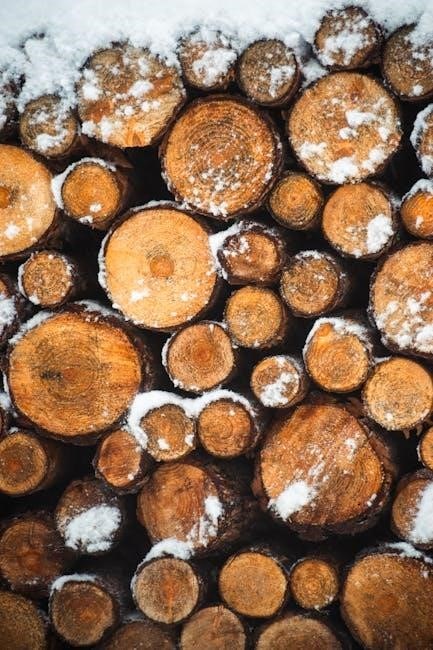
Legal Considerations & Wood Burning Regulations (UK)
UK households face up to £1‚000 fines for burning non-compliant wood. Arbtech urges checking wood types‚ ensuring adherence to local regulations for safe‚ legal burning.
Fines for Burning Incorrect Wood Types
The UK government is actively enforcing regulations concerning wood burning‚ with significant financial penalties for non-compliance. Households risk fines reaching up to £1‚000 for burning prohibited wood types‚ primarily focusing on fuels with high moisture content or those treated with chemicals. This crackdown aims to reduce particulate matter pollution‚ improving air quality and public health across the nation.
Specifically‚ burning wet wood is a major offense‚ as it produces substantially more smoke and harmful emissions than properly seasoned wood. Furthermore‚ burning manufactured boards‚ painted wood‚ or plastics is strictly forbidden due to the release of toxic fumes.
Enforcement is carried out by local authorities‚ often responding to complaints about excessive smoke. While creosote logs address chimney buildup‚ they don’t negate the need to burn legally compliant fuel. Staying informed about local regulations and utilizing approved wood sources is essential to avoid hefty fines and contribute to a cleaner environment.
Arbtech Recommendations for Compliant Burning
Arbtech‚ leading experts in environmental monitoring‚ strongly advise UK households to prioritize compliant wood burning practices. Their recommendations center around using only thoroughly seasoned hardwood‚ with a moisture content below 20%. This significantly reduces smoke emissions and minimizes creosote formation within the chimney‚ complementing the use of creosote logs for maintenance.
Arbtech emphasizes avoiding manufactured boards‚ treated wood‚ and any wood containing paints‚ preservatives‚ or plastics. These materials release harmful toxins when burned‚ contributing to air pollution and potentially damaging your chimney. They also suggest checking the “Ready to Burn” certification scheme to ensure wood meets the required standards.
Regular chimney inspections‚ alongside compliant fuel usage‚ are crucial. While creosote logs assist in loosening deposits‚ they don’t replace professional sweeping. Adhering to Arbtech’s guidelines ensures responsible wood burning‚ protecting both your health and the environment‚ and avoiding potential fines.
Staying Updated on Local Regulations
Wood burning regulations are dynamic‚ varying significantly across the UK. Staying informed about your local authority’s specific rules is paramount to avoid penalties‚ which can reach up to £1‚000. These regulations often pertain to the type of wood burned‚ the efficiency of your stove‚ and designated smoke control areas.
Resources like your local council’s website and DEFRA (Department for Environment‚ Food & Rural Affairs) provide crucial updates. Regularly checking these sources ensures you’re aware of any changes to permitted fuels or burning restrictions. Understanding these rules complements the preventative use of creosote logs.
Proactive engagement with local environmental groups can also offer valuable insights. They often host workshops and provide information on best practices for responsible wood burning. Compliance isn’t just about avoiding fines; it’s about contributing to cleaner air and a healthier community‚ alongside maintaining a safe chimney.