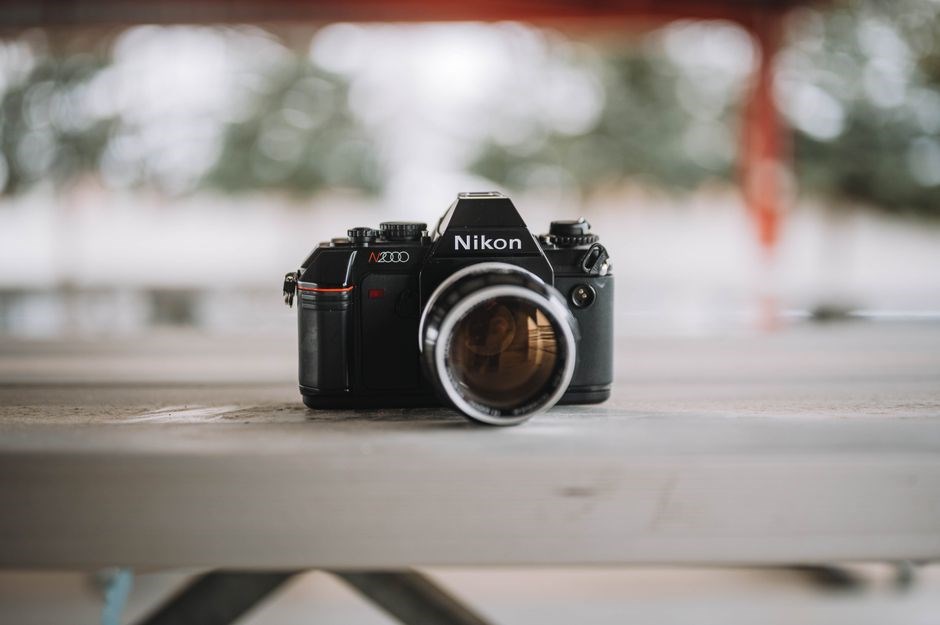
The Nikon D7200 instruction manual offers a comprehensive guide for beginners and seasoned photographers alike․ It covers camera basics, settings, and advanced techniques, ensuring users can master image capture and video recording with confidence․ Explore build, ergonomic design, and intuitive menu․!

Camera Overview
The Nikon D7200, introduced in 2013, is a mid‑range DSLR that blends robust construction with advanced imaging features․ It houses a 24․2‑megapixel APS‑C CMOS sensor, delivering high‑res stills and 1080p video․ The sensor’s dynamic range and low‑noise performance allow sharp detail in both bright highlights and shadows, making it suitable for a range of conditions․
The 3‑inch, 1․04‑million‑dot optical viewfinder offers a 100% coverage and 0․8× magnification, providing sharp detail that is especially useful in bright outdoor scenes․
Built on Nikon’s F‑mount platform, the camera supports a vast array of lenses, from wide‑angle primes to telephoto zooms, ensuring flexibility for landscape, portrait, and macro work․
With a 3․2‑inch, 1․04‑million‑dot sensor, the D7200’s dual‑card slot system allows simultaneous use of SD and XQD cards, which is handy for backup and high‑speed burst shooting․
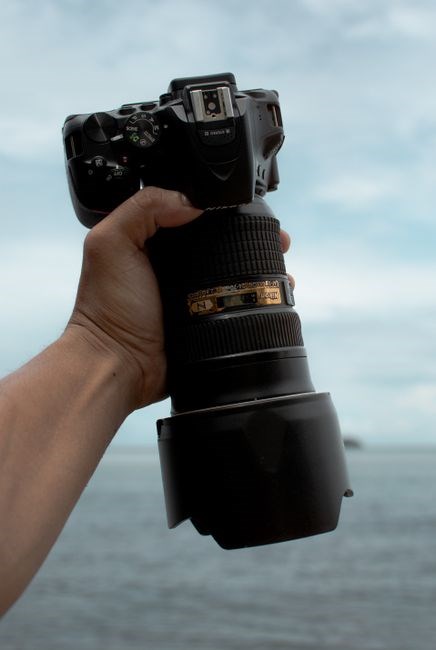
The 3․2‑inch rear LCD provides a clear, high‑resolution display for image review and menu navigation․ The camera’s ergonomic grip and intuitive button layout enable comfortable handling during long shooting sessions․
Additionally, the D7200 includes built‑in Wi‑Fi and Bluetooth, facilitating quick image transfer to compatible devices and remote control via a smartphone app․
Overall, the Nikon D7200 balances performance, versatility, user‑friendly design, robust high‑res features․, making it an attractive choice for hobbyists and photographers seeking reliable image quality․

Lens Mount and Compatibility
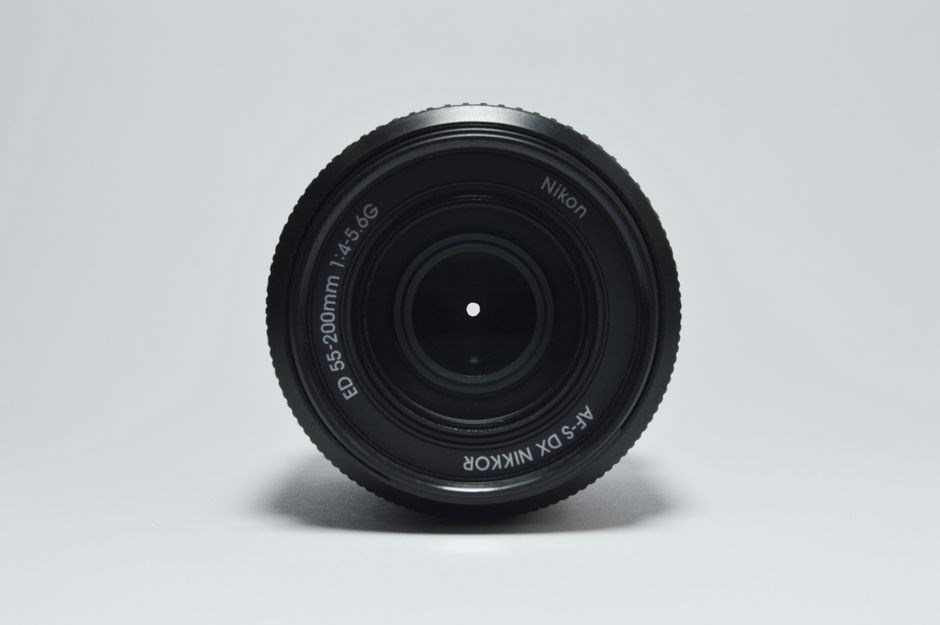
The Nikon D7200 utilizes the classic F‑mount interface, allowing seamless use of Nikon’s extensive lens lineup, from entry‑level DX lenses to professional FX zoom․ The mount’s robust design supports both optical and electronic communication, enabling features such as autofocus, aperture control, and EXIF data transfer․ Users can pair the D7200 with a wide range of prime, zoom, macro, and telephoto lenses, including the popular AF‑N series and AF‑S models․ Additionally, the camera is compatible with third‑party lenses that support the F‑mount, provided they include the necessary electronic contacts for full functionality․ The D7200’s mount also accommodates Nikon’s newer DX‑compatible lenses, ensuring future‑proofing for photographers who wish to upgrade without changing the camera body․ For those who prefer vintage optics, the D7200 can use manual focus lenses via the F‑mount, though electronic functions will be disabled․ The mount’s 44‑mm flange distance and 82‑mm diameter remain consistent with Nikon’s long‑standing standards, guaranteeing a stable, long‑term partnership between camera and lens․ Overall, the D7200’s F‑mount offers unparalleled flexibility, making it a versatile choice for both amateur and professional shooters․ The D7200’s dual‑card setup records RAW to one card while backing up to the second, ensuring data safety․ Its robust, weather‑sealed body and user‑friendly interface make it ideal for enthusiasts and pros alike, delivering reliable performance in any setting․
Battery and Power Management
The Nikon D7200 relies on the EN‑EL15 rechargeable lithium‑ion battery, delivering approximately 1,200 shots per charge under ISO 100, 1/125 s, f/8 conditions․ The camera’s power‑saving features include a 30‑second auto‑power‑off, a 2‑minute standby timer, and a configurable “Power‑Save” mode that reduces sensor readout and disables the LCD when not in use․ Users can monitor remaining capacity via the on‑screen display or the dedicated battery‑level icon in the menu․ For extended shooting sessions, the D7200 supports dual‑card operation; the camera will automatically switch to the second card when the first is full, preserving battery life by minimizing write cycles․ The EN‑EL15 battery can be charged with the supplied AC adapter or a compatible USB charger, with a full charge taking roughly 90 minutes․ The camera’s built‑in power‑monitoring circuit alerts users to low‑battery conditions before the device shuts down, allowing time to swap or recharge․ Additionally, the D7200’s “Battery‑Saver” mode reduces the LCD brightness and disables the built‑in flash, extending runtime․ Proper battery maintenance—keeping the contacts clean, storing the battery in a cool, dry place, and avoiding deep discharge—ensures longevity and reliable performance․ The D7200’s power‑management system is designed to balance performance and endurance, making it suitable for both casual photography and demanding field work․ Users can also attach a battery grip to extend shooting time and improve ergonomics, especially during long events!

Memory Card Slots and Storage Options
The Nikon D7200 is equipped with a single SD/SDHC/SDXC card slot that supports UHS‑I speeds up to 104 MB/s․ The firmware automatically detects the card type and adjusts the write speed accordingly, ensuring optimal performance for RAW files, JPEGs, and 4K video․ For photographers who need redundancy, the D7200 allows simultaneous use of a second card via an optional external SD adapter or by swapping cards between shoots․ The camera’s “Auto‑Write” feature can be set to copy images to a second card, providing instant backup without manual intervention․ Storage capacity is limited only by the card’s format; the D7200 can handle up to 2 TB of storage when using SDXC cards․ The file‑naming system defaults to “DSC_####;JPG” for JPEGs and “DNG_####․DNG” for RAW files, but users can customize the prefix and numbering sequence in the menu․ The “Card‑Type” indicator displays the current card’s speed class, allowing photographers to choose the appropriate card for high‑speed burst shooting or 4K video․ When the card is full, the camera will pause recording and prompt the user to insert a new card or delete files․ The D7200 also supports “Card‑Format” from the menu, which erases all data and prepares the card for use․ By selecting the “Format” option, users can choose between “Full” and “Quick” formats, balancing speed and thoroughness․ Proper card maintenance—cleaning contacts, using high‑quality cards, and formatting regularly—ensures reliable operation and protects image data․ The D7200’s storage options provide flexibility for both casual and professional workflows, making it a versatile tool for photographers worldwide․
Image Review and Playback Settings
The Nikon D7200 provides a robust image review system that lets photographers quickly evaluate exposure, focus, and composition․ After taking a shot, the camera automatically shows the image on the rear LCD, where users can toggle the review mode, set a delay, and choose to rotate or slide show images․ The review settings include options for image type, frame interval, and file naming, and the camera can display both stills and movies․ Users can also enable the histogram, zoom, and crop functions for detailed analysis․ Playback allows toggling between preview and full screen, and the “Auto‑Playback” feature can start recording automatically after a set number of images․ The camera’s menu offers brightness, contrast, and display mode adjustments, while the “Timer” feature aids in group shots․ By mastering playback, photographers can fine‑tune settings on the fly and ensure each frame meets their creative vision․ The D7200’s histogram displays real‑time tonal distribution, letting photographers verify exposure before final capture! Can be set to 2× or 4×; crop mode offers 1:1 aspect ratio for checks․
Exposure Settings and Adjustments
The Nikon D7200 offers a comprehensive exposure system that balances ISO, shutter speed, and aperture to create well‑exposed images in any lighting condition․ ISO can be set manually from 100 to 25600, or left on Auto‑ISO, which adjusts the sensitivity automatically based on the metering mode and scene brightness․ Shutter speeds range from 30 s for long‑exposure night shots to 1/4000 s for fast action, and the camera’s high‑speed sync allows flash at 1/200 s․ Aperture values from f/1․8 to f/22 give photographers control over depth of field, with the D7200’s 5‑stop aperture ring providing smooth transitions․ Exposure compensation is available in 1/3‑EV increments from –3 to +3, letting users brighten or darken the image while keeping the chosen aperture and shutter speed fixed․ The camera’s metering modes—Matrix, Center‑Weighted, and Spot—evaluate scene brightness differently, and the user can select the mode that best matches the lighting situation․ Exposure Lock (AEL) captures the current exposure settings and applies them to subsequent shots, which is especially useful when shooting a series of images with changing light or when using a tripod․ The D7200’s custom exposure presets allow photographers to save a set of ISO, shutter speed, aperture, and exposure compensation values for specific scenes, such as low‑light portraits or high‑contrast landscapes, and recall them with a single button press․ In addition the camera supports exposure bracketing automatically taking multiple shots at different exposure levels to create HDR images․!
Auto Exposure Modes and Custom Settings
The Nikon D7200’s auto exposure system is designed for versatility, offering three primary modes—Auto, Program, and Aperture Priority—each tailored to different shooting scenarios․ In Auto mode, the camera selects ISO, shutter speed, and aperture automatically, making it ideal for quick snapshots or unpredictable lighting․ Program mode locks the shutter speed and aperture at a balanced pair while still allowing the user to adjust exposure compensation in 1/3‑EV steps from –3 to +3, giving fine control over brightness without changing the exposure triangle․ Aperture Priority lets photographers set the desired aperture; the camera then calculates the appropriate shutter speed and ISO to maintain correct exposure, which is especially useful when controlling depth of field․ For more advanced users, the D7200 offers a Custom Mode (C) that stores a user‑defined combination of ISO, shutter speed, aperture, and exposure compensation․ By pressing the Custom button, photographers can quickly switch between preset settings for different scenes—such as a low‑light portrait or a fast‑action sports shot—without manually reconfiguring each parameter․ Additionally, the camera’s exposure bracketing feature can be set in any mode, automatically capturing a series of images at varying exposure levels to facilitate HDR processing․ This combination of auto modes and customizable presets ensures that the D7200 adapts seamlessly to both novice and professional workflows, providing consistent results across diverse shooting environments․ Whether shooting in bright daylight or low‑light studio, the D7200’s auto exposure flexibility lets photographers focus on creativity rather than settings․ and fine!

White Balance and Color Profiles
The Nikon D7200 instruction manual offers a comprehensive white‑balance system featuring Auto, Daylight, Shade, Cloudy, Tungsten, Fluorescent, Flash, and Custom presets․ Auto mode analyzes the scene and selects the optimal aperture, shutter speed, and ISO to maintain correct exposure․ Custom mode allows users to set a reference white point by selecting a neutral gray card or a white area in the frame, ensuring accurate color reproduction․ The “White Balance Shift” tool lets photographers fine‑tune the color temperature in 1‑K increments, providing precise control over warm or cool tones․ In addition, the camera supports multiple color profiles—Standard, Vivid, Neutral, Monochrome, and a Custom profile that can be created by adjusting color tone, saturation, and contrast curves․ These profiles are previewed on the LCD and applied in real time, enabling photographers to choose the desired look before shooting․ By mastering white balance and color profiles, users achieve consistent, high‑quality images that reflect the intended mood and lighting of each scene․ The manual also explains how to access the white‑balance menu, adjust shift values, and save presets for retrieval․ Users can toggle between preset modes and settings using the menu button, adapting to changing light conditions․ Additionally, the D7200’s color profile editor allows fine adjustments to hue, saturation, and luminance curves, giving photographers the ability to create a look․ By mastering these tools, photographers can ensure every shot captures the true essence of scene with accurate bright color deep fidelity artistic expression!

Video Shooting Features and Controls
The Nikon D7200 instruction manual details a robust set of video shooting options that cater to both beginners and advanced users․ The camera records Full‑HD 1080p video at 60, 30, 24, and 25 frames per second, with 12‑bit 4:2:0 recording for high‑quality footage․ Users can choose between the built‑in 3․5‑meter zoom lens or attach an external lens for greater flexibility․
In the menu, the “Movie” section provides a range of exposure settings: ISO, shutter speed, aperture, and white balance, all adjustable in real time․ The “Movie” menu also offers a “Movie Frame Rate” selector, a “Movie Quality” slider, and a “Movie Audio” toggle for mono or stereo input․ The camera’s built‑in microphone captures ambient sound, while an external mic can be connected via the 3․5‑mm jack for higher fidelity․
Playback of recorded footage is available on the LCD, with options to review, trim, and share directly from the camera․ The “Movie” menu includes a “Movie Playback” sub‑menu that allows users to set the playback speed, enable or disable the “Movie” icon, and choose a “Movie” icon style․ The D7200 also supports a “Movie” recording time limit of 29 minutes and 59 seconds, after which the camera automatically stops recording․
Additional controls include a “Movie” button on the front panel that starts and stops recording, a “Movie” icon that appears on the viewfinder, and a “Movie” menu that allows the user to set a “Movie” timer for delayed recording․ The camera’s “Movie” menu also offers a “Movie” histogram that displays exposure levels, helping users avoid over‑exposure during dynamic scenes․
For audio, the camera offers a “Movie” menu option to adjust the external mic gain, ensuring balanced levels between the camera’s internal mic and an external source․ The D7200 also features a “Movie” focus mode that can be set to “Auto” or “Manual” via the “Movie” menu, allowing precise control over focus during recording․ Additionally, the “Movie” menu provides a “Movie” picture control setting, enabling users to choose from the standard picture styles (Standard, Vivid, Neutral, Monochrome) or create a custom style for video․ These controls are accessible through the “Movie” menu, and the camera’s on‑screen display provides real‑time feedback for all settings, making it straightforward to adjust on the fly․
In low light, the D7200’s “Movie” menu lets users enable ISO 6400 and set a 1/60s shutter speed to reduce blur, while focus peaking highlights the in‑focus area for manual focus during recording․ Live view;

Menu Navigation and Customization
The Nikon D7200 instruction manual details how to navigate the camera’s multi‑level menu system and customize it for your shooting style․ Press the MENU button to open the main menu, where top‑level categories such as Setup, Shooting, Playback, and Custom Settings appear․ Use the multi‑function dial or arrow keys to scroll, and the “+” and “–” buttons to move between pages․ The “OK” button selects or edits an item․ To streamline shooting, assign frequently used functions to the custom button (C1) or the front panel button (B1)․ In the Custom Settings menu, enable or disable the custom button, choose the function (e․g․, focus mode, ISO, white balance), and set the button’s behavior (single press, double press, or hold)․ The manual explains the “Menu Display” option, which lets you choose between a full‑screen menu, a compact menu, or a “menu‑only” mode that hides the status bar․ The “Menu Shortcut” feature can be activated to bring up a simplified menu with only the most essential items․ The D7200 also offers a “Custom Menu” that can be created by selecting the “Custom Menu” option in the Setup menu, then adding, removing, or rearranging menu items․ This keeps the most important settings within reach while keeping the interface uncluttered․ All menu changes are saved automatically, and the camera’s “Reset” function restores default settings if needed․ Mastering menu navigation and customization reduces setup time, allowing photographers to focus more on capturing images․ for all!!

Camera Maintenance and Care
The Nikon D7200 instruction manual emphasizes routine care to preserve image quality and extend camera life․ Begin by cleaning the sensor with a dedicated sensor‑cleaning kit; never touch the sensor directly․ Use a soft, lint‑free brush to remove dust from the sensor hood, and a sensor‑cleaning fluid to wipe the sensor surface gently․ For the body, wipe the exterior with a microfiber cloth dampened with a mild, non‑abrasive cleaner․ Avoid harsh chemicals that could damage the paint or protective coatings․ The manual advises storing the camera in a dry, dust‑free case when not in use, and to keep the battery compartment sealed to prevent moisture ingress․ Replace the battery when the charge drops below 20% to avoid sudden power loss during critical shots․ Periodically inspect the charging contacts for corrosion; clean them with a cotton swab lightly dampened with isopropyl alcohol if needed․ The D7200’s shutter counter is resettable; check the counter after a large number of exposures to ensure it remains within the manufacturer’s specified range․ The manual also recommends updating firmware via Nikon’s official website to fix bugs and improve performance․ For lens maintenance, clean the glass with a lens‑cleaning solution and a microfiber cloth, and store lenses in a padded case․ Finally, schedule a professional service every 1,000–1,500 shots to inspect internal components, check the autofocus motor, and verify the sensor’s alignment․ Following these steps keeps the Nikon D7200 reliable and ready for every shooting session․ Additionally, keep the camera’s firmware up to date by downloading the latest version from Nikon’s support site and installing it via USB․ This ensures compatibility with new lenses and accessories․ When traveling, use a camera bag with padded compartments to protect against shocks․ If the camera is left unused for extended periods, remove the battery and let the camera rest for a few days before re‑charging to prevent battery drain․ By adhering to these maintenance practices, photographers can enjoy consistent performance and longevity from their Nikon D7200․
Troubleshooting Common Issues
When the Nikon D7200 behaves unexpectedly, a systematic approach can quickly restore normal operation․ First, verify that battery is fully charged and seated correctly; a loose connection often causes power‑on failures or sudden shutdowns․ If camera does not power up, replace battery or try a different one․ Next, check memory card: D7200 supports SD/SDHC/SDXC cards up to 32 GB․ Corrupt or incompatible cards trigger “Card Error” messages; format card in the camera or on a computer, and ensure it is not write‑protected․ For image‑review problems, confirm that “Image Review” setting is enabled in playback menu; disabling it will prevent thumbnails from appearing after capture․ If camera freezes during video recording, ensure card’s write speed meets 4 Mbit/s requirement and that firmware is up to date; outdated firmware can cause buffer overflows․ Autofocus issues often stem from dirty lens contacts; clean lens mount for a microfiber cloth and a lens‑cleaning solution․ When shutter click is missing, inspect shutter motor for dust or debris; a gentle vacuum can remove particles․ If camera’s menu freezes or reboots, reset settings to default via “Setup” menu; this clears corrupted menu data․ For overheating complaints, avoid prolonged exposure to direct sunlight and keep camera in a ventilated area; D7200’s internal temperature sensor will trigger a warning if it exceeds safe limits․ Finally, if display flickers or shows a black screen, check rear LCD for cracks or moisture; a cracked screen may require professional repair․ Following these steps usually resolves most day‑to‑day issues and keeps D7200 ready for action․ For persistent firmware glitches, reinstall the latest firmware via Nikon website․ Always sync camera and lens firmware to avoid glitches․