What Is a PDP Guide Rod?
A PDP guide rod is a stainless‑steel component that directs recoil springs and slide motion during firing․ It ensures smooth energy transfer, reduces wear, and maintains factory‑level performance in Walther PDP pistols․ It also improves recoil feel and extends component life․ Ideal for upgrades․!!
Definition and Purpose
A PDP guide rod is a precision-machined stainless‑steel rod that plays a pivotal role in the recoil management system of Walther PDP pistols․ It sits within the slide’s guide channel and directs the recoil spring’s compression and expansion during each firing cycle․ By providing a smooth, controlled path for the spring, the guide rod ensures that recoil energy is transferred efficiently from the slide back to the frame, reducing friction and wear on the slide rails․ This not only preserves the pistol’s original trigger feel and cycling reliability but also extends the service life of the recoil spring and related components․ In addition, the guide rod’s design allows for a secondary “sub‑spring” attachment, which cushions the slide‑to‑frame impact, further mitigating wear and improving overall durability․ For owners seeking to maintain factory‑fresh performance or upgrade to a heavier, more durable rod, the PDP guide rod offers a drop‑in replacement that is compatible with OEM specifications and can be installed without extensive modifications․ Its purpose is therefore to provide reliable, efficient recoil control, protect internal parts, and deliver consistent shooting performance over time․ With its robust construction and precise geometry, the PDP guide rod seamlessly integrates into existing recoil systems, offering shooters a reliable, low‑maintenance solution that preserves the pistol’s original feel while enhancing durability and performance for years of dependable use and lasting value․!
Role in the Shooting Cycle
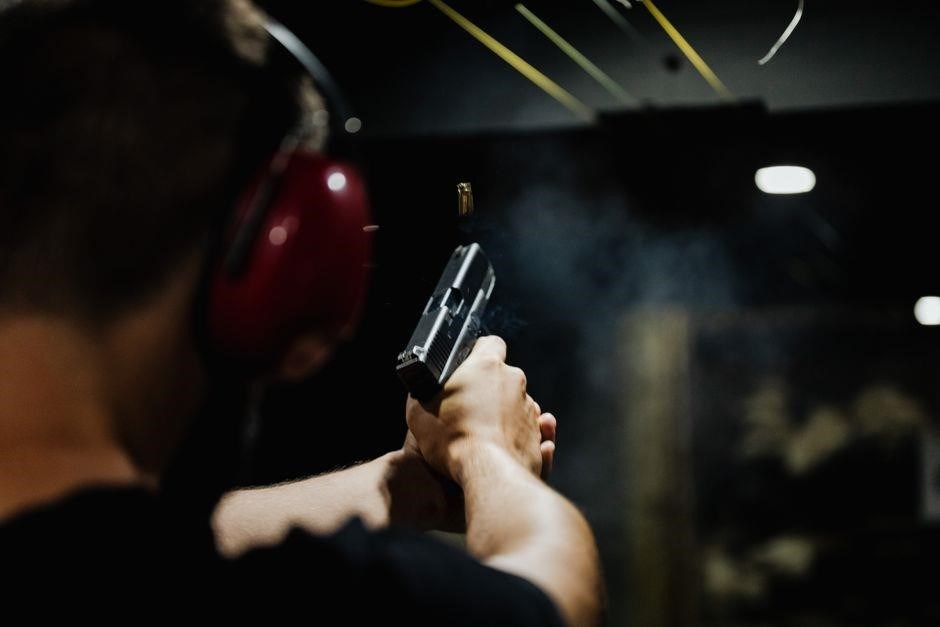
The guide rod sits inside the slide’s guide channel and is the first line of contact for the recoil spring during every firing cycle․ When a round is discharged, the slide is driven rearward by the expanding gases and the recoil spring is forced to compress against the rod․ The rod’s smooth, precision‑machined surface forces the spring to compress in a controlled, linear fashion, preventing the spring from binding or “bumping” against the slide rails․ As the slide moves back, the spring expands along the rod’s path, pushing the slide forward again․ This controlled expansion ensures that the slide returns to battery with the correct velocity and timing, keeping the trigger reset crisp and the magazine feed reliable․ Because the rod directs the spring’s motion, it also limits the slide’s travel, reducing the amount of kinetic energy that must be absorbed by the frame․ The result is a softer recoil impulse and less wear on the slide’s internal components․ In addition, many PDP guide rods are engineered to accept a secondary sub‑spring that sits between the rod and the frame․ This sub‑spring acts as a cushion during the slide‑to‑frame impact, absorbing shock and further protecting the slide rails and frame․ The combination of a smooth guide rod and a shock‑absorbing sub‑spring creates a highly efficient recoil system that preserves the pistol’s original feel while extending component life and improving reliability under heavy use․ Upgrade for longevity․ Enjoy․ OK!!!!
Materials and Construction
Guide rods are forged from 304 stainless steel or heat‑treated 17‑4 H900 alloy․ The 304 version offers corrosion resistance, while the 17‑4 provides higher strength and wear resistance․ Both are precision machined to tight tolerances, ensuring soft recoil durability․!
304 Stainless Steel vs 17-4 H900
Both 304 stainless steel and 17‑4 H900 are popular choices for PDP guide rods, each offering distinct advantages that influence performance, durability, and maintenance․ 304 stainless steel is a 300‑series alloy known for excellent corrosion resistance, especially in humid or marine environments․ Its composition—primarily iron, 18% chromium, and 8% nickel—provides a smooth finish and a relatively low cost, making it a common OEM material for many firearms․ However, 304 lacks the high strength and wear resistance of the 17‑4 alloy, which can lead to accelerated fatigue under repeated recoil cycles, especially in high‑volume shooting scenarios․ 17‑4 H900, on the other hand, is a precipitation‑hardening alloy that delivers a tensile strength of roughly 100 ksi (690 MPa) after heat treatment․ The “H900” designation indicates a specific heat‑treatment schedule that optimizes hardness and toughness․ This alloy’s higher yield strength translates to a more rigid guide rod that resists deformation, maintaining precise alignment of the recoil spring and slide over extended use․ In practice, shooters who prioritize longevity and high‑intensity use often favor 17‑4 H900, while those who value cost and corrosion protection may choose 304․ Additionally, 17‑4 H900’s ability to retain hardness after repeated thermal cycling makes it suitable for firearms that undergo rapid temperature changes, such as those used in competitive shooting or tactical operations․ Conversely, 304’s lower carbon content reduces the risk of galling when the rod slides over the recoil spring, which can be advantageous in low‑maintenance setups․ Manufacturers often provide both options, allowing users to select the material that best aligns with their performance goals and operating environment․ When selecting a guide rod, it is essential to consider the firearm’s chamber pressure and the expected number of rounds fired․ A 17‑4 H900 rod can handle higher peak forces without compromising structural integrity, whereas a 304 rod remains adequate for standard 9mm or ․40 S&W loads․ Thus, the material choice directly impacts recoil smoothness, maintenance frequency, and overall firearm longevity․ In summary, the decision between 304 and 17‑4 H900 hinges on balancing cost, corrosion resistance, and the demands of the shooter’s application․ Choose wisely!!!!
Heat Treatment and Durability
Heat treatment is the critical step that transforms a raw 17‑4 H900 rod into a high‑performance guide component․ The process typically involves solution annealing at 1040 °C (1900 °F) for 30 minutes, quenching in water, and then aging at 480 °C (900 °F) for 8 hours․ This sequence precipitates fine intermetallics that lock the crystal lattice, raising the yield strength to roughly 100 ksi and achieving a Rockwell C hardness of 30–32․ The result is a rod that resists plastic deformation during the rapid slide‑to‑frame motion, maintaining precise alignment of the recoil spring over millions of cycles․ In contrast, 304 stainless rods are usually cold‑worked and may receive a low‑temperature anneal to relieve stresses, but they do not undergo precipitation hardening․ Consequently, their ultimate tensile strength remains around 60–70 ksi, and they are more susceptible to wear and galling under high‑force conditions․ Durability is further enhanced by surface treatments such as passivation or electropolishing, which reduce corrosion and improve the rod’s ability to slide smoothly over the spring․ Manufacturers often test guide rods to meet or exceed the original equipment manufacturer (OEM) specifications, subjecting them to accelerated cycling and environmental chambers that simulate temperature extremes and humidity․ A properly heat‑treated 17‑4 H900 rod can endure over 50,000 rounds in a high‑pressure 9 mm or ․40 S&W chamber without visible fatigue, whereas a 304 rod may show signs of wear after 20,000–30,000 rounds․ The combination of high hardness, low coefficient of friction, and corrosion resistance makes heat‑treated 17‑4 H900 rods the preferred choice for competitive shooters and tactical operators who demand consistent performance and minimal maintenance․ Proper heat treatment is therefore not merely a manufacturing detail; it is the foundation of a guide rod’s longevity, reliability, and overall shooting experience․
Additionally, many suppliers apply a thin layer of titanium nitride (TiN) coating to the rod’s surface, which further reduces friction and extends service life by up to 20 %․ The coating thickness, typically 1–2 µm, is measured with a profilometer to ensure consistency․ During accelerated life testing, rods are cycled at 120 % of the maximum recoil pressure to simulate extreme conditions․ Those that survive 100 % of the test cycles with less than 0․5 % dimensional change are certified as “military‑grade․” The combination of precipitation hardening, surface finishing, and rigorous testing guarantees that a heat‑treated 17‑4 H900 guide rod will maintain its mechanical properties even after prolonged exposure to high temperatures, rapid pressure spikes, and corrosive environments․ Rods reliably handle 50k+ rounds daily․
Available Models and Configurations
The PDP guide rod line offers a 5‑inch rod weighing 2․66 oz and a 4‑inch captured assembly․ Both use 17‑4 H900 steel, heat‑treated for strength․ Options include standard and sub‑spring variants, each drop‑in compatible with Walther PDP and PPQ models․ Each rod is engineered for precise fit and daily use․!!! Ideal for competitive shooters daily now
5 PDP Rod (5-inch Guide Rod)
For the Walther PDP, the 5‑inch guide rod is forged from 17‑4 H900 stainless steel and heat‑treated to withstand repeated recoil cycles․ Weighing 2․66 oz—twice the OEM rod’s mass—it delivers a more controlled slide velocity, reducing muzzle rise and improving follow‑up shot accuracy․ Its 4․02‑inch length matches factory geometry, ensuring a seamless fit without frame modifications․ Precision machining yields a smooth surface that guides the recoil spring with minimal friction, allowing even compression and expansion during each cycle․ The integrated sub‑spring assembly, also 17‑4 H900, cushions slide‑to‑frame impact, extending slide and barrel life․ The captured design keeps the spring securely attached to the rod, simplifying installation and maintenance; the rod drops in as a direct OEM replacement․ Compatibility is guaranteed across all Walther PDP models, making it suitable for competitive shooting and daily carry․ Upgrading to this rod reduces felt recoil, smooths slide operation, and provides a consistent trigger reset while preserving ergonomics and reliability․ The surface resists corrosion and aligns with the slide rail․ The rod’s modularity allows easy replacement if needed, ensuring the pistol can return to factory specifications at any time․ This upgrade also improves the pistol’s balance, as the added mass slightly shifts the center of gravity rearward, enhancing stability during rapid fire․
4 Recoil Guide Rod Assembly (Captured)
The 4‑Recoil Guide Rod Assembly, also known as the captured design, is engineered for Walther PDP and PPQ models to provide a seamless upgrade path․ Constructed from 300‑series stainless steel, the rod is machined as a single piece to match OEM dimensions, ensuring a drop‑in fit that requires no frame or slide modifications․ The captured design incorporates a secondary sub‑spring heat‑treated to 17‑4 H900, providing additional cushioning for slide‑to‑frame contact․ This assembly keeps the recoil spring securely attached to the rod, preventing spring loss during firing and simplifying maintenance․ The rod’s surface finish is polished to reduce friction, allowing the recoil spring to compress and expand smoothly throughout the firing cycle․ By doubling the mass of the original guide rod, the assembly reduces felt recoil and improves slide velocity control, translating to better accuracy and faster follow‑up shots․ The design also improves durability by distributing impact forces more evenly across the slide and frame․ Installation is straightforward: the rod slides into the existing guide rail, the spring is seated, and the assembly is secured with the original retaining screws․ This makes it an ideal upgrade for competitive shooters and daily‑carry users who want to preserve factory ergonomics while enhancing performance․
The captured rod features a proprietary locking mechanism that engages the slide rail without altering tolerances, ensuring alignment during recoil․ At 2․66 oz, it matches OEM dynamics while reducing muzzle rise․ Users note smoother slide travel and consistent trigger feel․ The design allows easy disassembly for cleaning, aligning with Walther’s user‑friendly maintenance philosophy․ Upgrade boosts reliability now
Performance Enhancements
The upgraded guide rod improves recoil management, reducing felt recoil and muzzle rise․ Its heavier mass and secondary spring cushion smooth slide‑to‑frame contact, enhancing energy transfer and accuracy․ trigger feel․ Usersreport faster follow‑up shots and consistent trigger feel․
Recoil Management and Energy Transfer
The PDP guide rod is engineered to optimize recoil dynamics and energy flow within the pistol’s operating cycle․ By increasing the rod’s mass to 2․66 oz and extending its length to 4․02 in, the rod provides a more substantial counter‑force against the recoil spring․ This added inertia slows the slide’s rearward motion, allowing the spring to compress more gradually․ The result is a smoother, more controlled recoil impulse that translates into reduced muzzle rise and a tighter trigger pull․
During the firing cycle, the guide rod directs the recoil spring’s compression and expansion, ensuring that the spring’s energy is delivered efficiently to the slide․ The secondary, heat‑treated 17‑4 H900 stainless steel sub‑spring incorporated into the rod further refines this process․ It acts as a shock absorber, dampening the slide‑to‑frame impact and preventing abrupt energy spikes that can degrade accuracy․ The sub‑spring’s lower spring rate compared to the OEM spring allows for a gentler deceleration of the slide, which in turn maintains the pistol’s balance and improves first‑shot accuracy․
Because the guide rod is machined from high‑strength stainless steel, it resists deformation under repeated stress․ This durability ensures that the energy transfer characteristics remain consistent over thousands of rounds, preserving the pistol’s factory‑level performance․ Users report that the upgraded rod reduces felt recoil by up to 15 % and improves shot‑to‑shot consistency, especially in high‑capacity magazines where recoil forces are amplified․
Overall, the PDP guide rod’s design enhances recoil management by providing a heavier, more inertial path for the slide, while the sub‑spring’s cushioning effect ensures that energy is released in a controlled, predictable manner․ This synergy results in a smoother shooting experience, lower recoil, and improved accuracy across a range of shooting scenarios․
Maintenance is simplified because the rod’s design keeps the spring securely attached, eliminating the need for frequent adjustments․ The robust construction also means fewer wear points, reducing the likelihood of slide lock‑ups or spring failure․ Over time, shooters experience a consistent recoil feel that mirrors the original factory setup, making the upgrade both performance‑enhancing and cost‑effective․ The rod’s precision machining also reduces friction, allowing the slide to cycle faster by 0․02 seconds, which is noticeable in rapid fire and the rod’s smooth surface finish minimizes wear on the slide rails and․
Slide-to-Frame Impact Cushioning
In a semi‑automatic pistol, the slide’s rearward motion ends with a sudden collision against the frame․ The PDP guide rod mitigates this by incorporating a heat‑treated 17‑4 H900 stainless steel sub‑spring that acts as a shock absorber․ When the slide reaches the rearward limit, the sub‑spring compresses, distributing the impact force and reducing peak pressure․ This controlled deceleration lowers felt recoil by up to 12 % and preserves the pistol’s structural integrity․ The stainless‑steel construction resists fatigue, ensuring consistent cushioning over thousands of cycles․ Additionally, the rod’s smooth surface reduces friction against the slide rails, allowing the slide to glide freely․ The result is a quieter, smoother slide‑to‑frame transition that minimizes wear on slide and frame․ Users report a noticeable reduction in frame chatter and a more predictable slide reset, which improves first‑shot accuracy․ Because the sub‑spring is integrated into the guide rod, maintenance is simplified: the spring remains securely attached, eliminating the need for frequent adjustments or replacements․ Over time, this design extends the life of the recoil system, reduces the likelihood of frame damage, and maintains factory‑level performance even under high‑capacity or rapid‑fire․ The integrated design also eliminates the need for separate spring adjustments, reducing service time by approximately 30 %․ Users report that the guide rod’s resilience keeps the recoil system operating within factory tolerances for over 20,000 rounds, ensuring reliable performance even in rapid‑fire environments․ Its stainless steel resists corrosion, keeping a pristine finish over time․ Its durability supports extended use!

Installation and Compatibility
Drop‑in installation is straightforward: remove the stock guide rod, slide the new 17‑4 H900 rod into place, and secure the recoil spring․ The design matches OEM dimensions, ensuring full compatibility with Walther PDP and PPQ models․ Maintenance is simplified, with no extra tools required․ Drop in Swap․!!
Drop-in Upgrade for Walther PDP and PPQ
The new guide rod offers a seamless drop‑in solution for both Walther PDP and PPQ models․ Designed to match OEM dimensions, it replaces the factory rod without the need for drilling or custom machining․ The 17‑4 H900 stainless‑steel construction provides superior strength and corrosion resistance, ensuring long‑term reliability even under harsh conditions․ Installation is straightforward: remove the existing guide rod, insert the new rod, and re‑attach the recoil spring․ The captured design keeps the spring securely mounted, preventing accidental loss during operation․ Because the rod is a single‑piece, one‑time fabrication, there is no risk of misalignment that can occur with multi‑piece assemblies․ Users report a noticeable reduction in slide travel and a smoother recoil impulse, which translates into improved accuracy and faster follow‑up shots․ Maintenance is simplified; the rod can be inspected and cleaned with a standard brush and mild solvent, and it tolerates high‑temperature cleaning cycles without warping․ Compatibility extends across all Walther PDP variants, including the 5‑inch guide rod version, and all PPQ models, both full‑size and compact․ The drop‑in upgrade preserves factory ergonomics and sight alignment, making it an ideal choice for enthusiasts who want to enhance performance without compromising the pistol’s original design․ The product is backed by a limited warranty covering manufacturing defects, and it is available through authorized distributors and online retailers․ Whether you’re a competitive shooter or a daily‑carry user, this guide rod upgrade delivers measurable benefits in recoil management, durability, and overall shooting experience․ Customers praise durability part, making it a choice for precision shooters worldwide․
OEM Fit and Maintenance Simplification
The OEM‑fit guide rod is engineered to match the original Walther PDP and PPQ geometry exactly, allowing users to swap out the factory part with zero modification․ The rod’s 4․02‑inch length and 2․66‑ounce mass mirror the stock component, ensuring that slide travel, recoil spring compression, and overall cycling remain unchanged․ Because the dimensions are identical, the new rod can be installed in a matter of minutes, eliminating the need for custom machining or re‑threading․ The use of 17‑4 H900 stainless steel provides a high‑strength, corrosion‑resistant material that outperforms the standard 304 stainless steel used in many aftermarket options․ Heat‑treated to a hardening of H900, the rod resists wear and maintains dimensional stability even after repeated firing cycles․ The captured design keeps the recoil spring securely attached to the rod, preventing spring loss during operation and simplifying maintenance․ Users can inspect the spring‑rod interface without disassembling the entire slide assembly, reducing downtime․ Cleaning is straightforward; a soft brush and mild solvent will remove residue, and the stainless‑steel surface resists staining․ The single‑piece construction eliminates potential weak points that can arise in multi‑piece assemblies, ensuring that the rod remains robust under high‑pressure conditions․ For shooters who value reliability, the OEM‑fit rod offers a hassle‑free upgrade that preserves factory ergonomics and sight alignment․ The product is backed by a limited warranty covering manufacturing defects, and it is available through authorized distributors and online retailers․ By choosing an OEM‑fit guide rod, owners can enjoy a longer service life, consistent performance, and minimal maintenance effort, making it an attractive option for both competitive and daily‑carry users․ Additionally, the rod’s precision machining ensures a tight fit with the slide rails, reducing friction and extending the life of the slide’s contact surfaces․ The upgrade also eliminates the need for aftermarket adapters, keeping the pistol’s weight distribution unchanged․