Manila Guidebook: A Comprehensive Overview (Updated 03/06/2026)
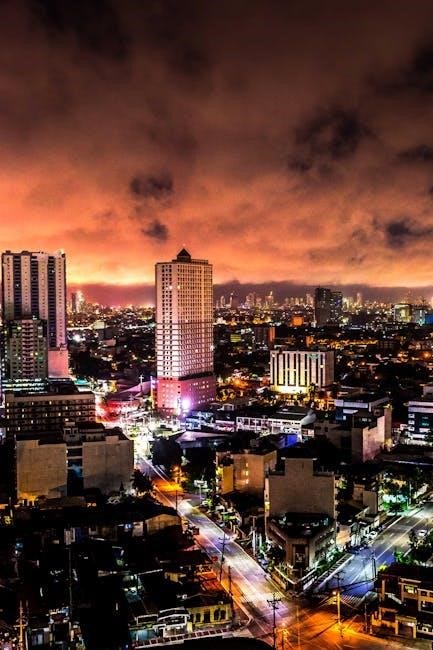
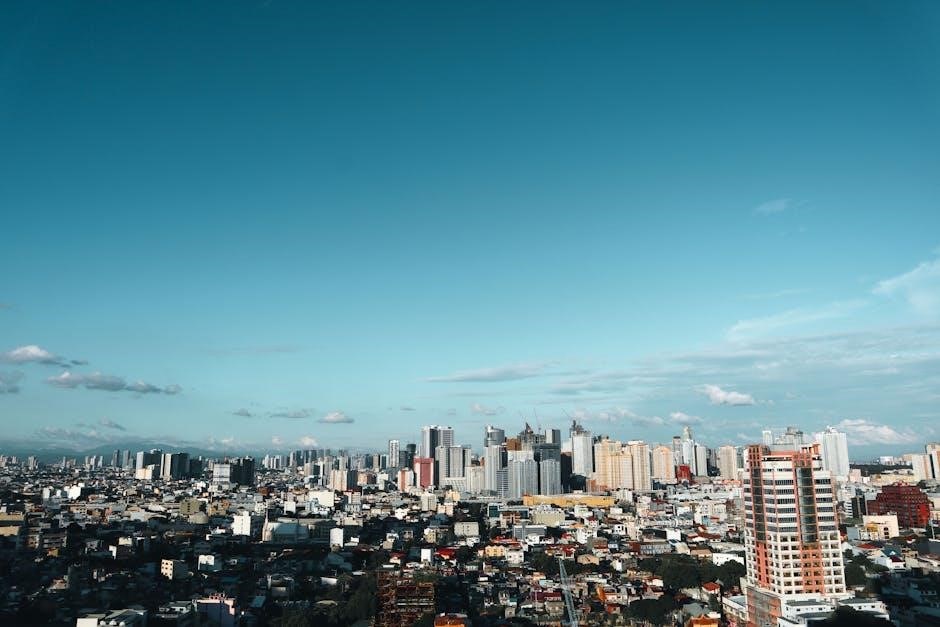
Manila, the Philippines’ vibrant capital, blends historical Spanish colonial architecture with modern skyscrapers and bustling commercial centers, offering a unique cultural experience.
Manila, the capital and chief city of the Philippines, stands as a compelling crossroads where a rich past seamlessly intertwines with a dynamic present. For four centuries, it has been the nation’s principal city, evolving into a major industrial hub and the primary international port of entry.
Metropolitan Manila encompasses six cities and twelve towns, a sprawling urban landscape situated on the picturesque Manila Bay, part of the South China Sea, and bisected by the vital Pasig River. This geographical setting contributes to the city’s unique character.
Visitors will discover a striking contrast – from the enduring Spanish fortifications of Intramuros to the towering modern skyscrapers and expansive shopping malls. Manila is a truly vibrant capital, offering a diverse range of experiences for every traveler, and serving as a cultural, historical, and political center for the Philippines.
Historical Significance of Manila
Manila’s historical importance is deeply rooted in its four centuries as the principal city of the Philippines. Originally an established settlement before Spanish colonization, it rapidly grew into a crucial trading hub connecting Asia and the Americas via the Manila Galleon trade route.
The Spanish colonial period dramatically shaped Manila, most visibly within the walls of Intramuros, a meticulously planned city showcasing European architecture and defensive fortifications like Fort Santiago. This era left an indelible mark on the city’s culture, religion, and urban layout.
Throughout its history, Manila has witnessed periods of conflict and resilience, including battles during World War II that led to significant destruction. Despite these challenges, the city has consistently rebuilt and reinvented itself, preserving its heritage while embracing modernity. Today, Manila stands as a testament to the Philippines’ complex and fascinating past, offering a tangible link to centuries of history.
Geographical Location and Overview
Manila is strategically located on the eastern shore of Manila Bay, part of the South China Sea, in the western portion of Luzon Island, Philippines. The city is bisected by the Pasig River, a vital waterway that has historically served as a trade route and a source of livelihood.
Metropolitan Manila, a sprawling megacity, encompasses not only the city of Manila itself but also sixteen other local government units – six cities and twelve towns – creating a densely populated urban landscape. This metropolitan area serves as the nation’s political, economic, and cultural center.
The city’s topography is relatively flat, making it susceptible to flooding during the rainy season. Despite this, Manila’s coastal location and riverine network have been instrumental in its development as a major port and commercial hub, connecting the Philippines to global trade routes. It’s a dynamic blend of historic districts and modern urban sprawl.
Exploring Manila’s Districts
Manila’s diverse districts offer unique experiences, from the historic walled city of Intramuros to the bustling streets of Binondo, and the modern financial center of Makati.
Intramuros: The Walled City
Intramuros, meaning “within the walls,” stands as a testament to Manila’s rich history. This historic walled city, a designated UNESCO World Heritage site, transports visitors back to the Spanish colonial era. Explore its cobblestone streets and marvel at the well-preserved Spanish fortifications, offering a glimpse into the Philippines’ past.
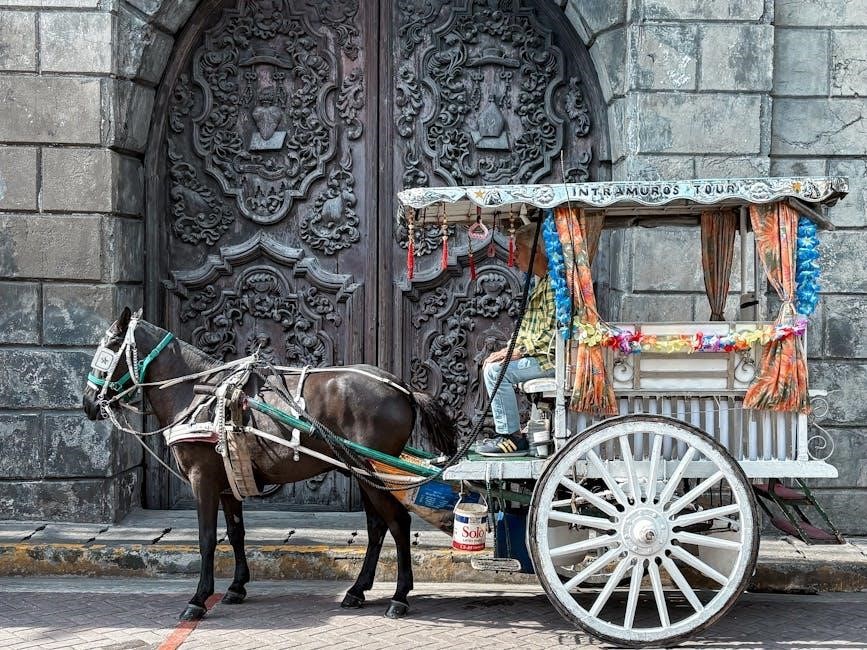
Within Intramuros, discover iconic landmarks like Fort Santiago, a crucial defense fortress that played a significant role in Philippine history, and San Agustin Church, one of the oldest churches in the country, showcasing stunning Baroque architecture. Walking tours, bamboo bike rides, and kalesa (horse-drawn carriage) rides are popular ways to experience the charm and grandeur of this historical district. Intramuros provides a captivating contrast to the modern cityscape of Manila, offering a unique and immersive cultural experience for every traveler.
Fort Santiago
Fort Santiago, a historic citadel within the walled city of Intramuros, holds immense significance in Philippine history. Originally built by the Spanish colonizers, it served as a crucial defense fortress against invaders. Throughout its history, it witnessed numerous battles and played a pivotal role in protecting Manila.
However, Fort Santiago is perhaps most famously known as the prison where José Rizal, the Philippines’ national hero, was incarcerated before his execution in 1896. Visitors can explore Rizal’s cell and follow his final footsteps, marked by bronze footprints leading to his execution site. The fort’s museum showcases artifacts and exhibits detailing its history and Rizal’s life. Today, Fort Santiago stands as a poignant reminder of the Philippines’ struggle for independence and a tribute to its national hero, offering a deeply moving and educational experience.
San Agustin Church
San Agustin Church, a UNESCO World Heritage site, stands as the oldest stone church in the Philippines, a testament to the enduring Spanish colonial influence in Manila. Constructed in 1587, it remarkably survived numerous earthquakes and World War II, showcasing its robust architectural design and historical resilience.
The church’s intricate baroque architecture, adorned with elaborate carvings and stunning frescoes, captivates visitors. Inside, the museum houses a remarkable collection of religious art, colonial-era artifacts, and historical relics, providing a glimpse into the Philippines’ rich cultural heritage. San Agustin Church isn’t merely a religious site; it’s a living museum, offering a profound connection to the past. Its peaceful ambiance and artistic grandeur make it a must-visit destination within the historic walls of Intramuros, embodying centuries of faith and artistry.
Binondo: The World’s Oldest Chinatown
Binondo, established in 1594, proudly holds the title of the world’s oldest Chinatown, a vibrant and bustling district steeped in history and Chinese-Filipino culture. Located in the heart of Manila, Binondo offers a sensory explosion of sights, sounds, and aromas, a truly immersive experience for visitors.
Wander through its narrow streets, lined with traditional shops selling everything from herbal medicines and lucky charms to exquisite fabrics and delectable delicacies. Binondo is a foodie paradise, renowned for its authentic Chinese cuisine – savor dim sum, noodles, and roasted meats at family-run restaurants. Beyond the culinary delights, explore ornate temples, ancestral homes, and bustling marketplaces. Binondo is a living testament to the enduring legacy of Chinese immigrants in the Philippines, a captivating blend of tradition and modernity.
Makati: The Financial Hub
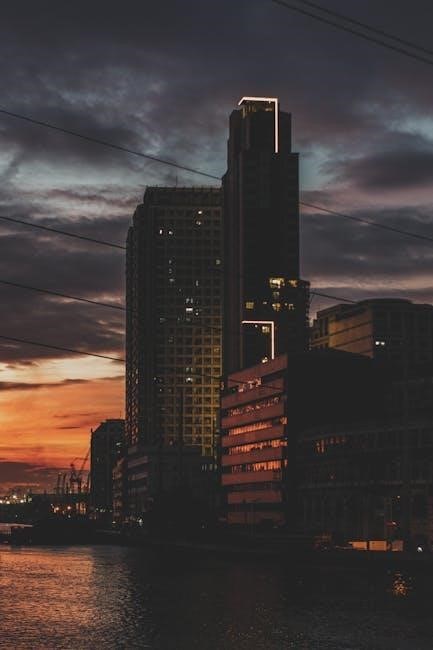
Makati stands as the Philippines’ premier financial and business district, a dynamic metropolis showcasing modern skyscrapers, upscale shopping malls, and a thriving nightlife. Located south of Manila, Makati offers a stark contrast to the historic districts, representing the country’s economic power and contemporary lifestyle.
Beyond its corporate facade, Makati boasts a vibrant cultural scene with art galleries, museums, and a diverse culinary landscape. Explore Ayala Center, a sprawling complex featuring high-end boutiques, restaurants, and entertainment options. Discover hidden gems in Poblacion, known for its eclectic bars and restaurants. Makati is also home to Forbes Travel Guide-rated luxury hotels, offering world-class accommodations and services. It’s a district where business meets leisure, providing a glimpse into the Philippines’ modern ambitions and sophisticated urban living.
Accommodation in Manila
Manila provides diverse lodging, from luxurious Forbes Travel Guide-rated integrated resorts like Okada and City of Dreams, to mid-range hotels and budget-friendly hostels.
Luxury Hotels: Forbes Travel Guide Rated
Manila boasts several world-class luxury hotels consistently recognized by the Forbes Travel Guide. These establishments redefine hospitality, offering unparalleled service, exquisite dining experiences, and opulent accommodations. OKADA Manila has impressively maintained a coveted 5-Star rating for seven consecutive years, solidifying its position as the Philippines’ largest integrated resort. Guests can expect lavish suites, a stunning casino, and multiple restaurants catering to diverse palates.
Similarly, City of Dreams Manila ‒ Nüwa Manila consistently receives accolades, including the prestigious Forbes Travel Guide recognition. Nüwa Manila, and its accompanying Nüwa Spa, provide a sanctuary of tranquility and indulgence. Expect elegantly appointed rooms, personalized service, and access to the resort’s extensive entertainment and dining options. These hotels represent the pinnacle of luxury in Manila, promising an unforgettable stay for discerning travelers.
OKADA Manila
OKADA Manila stands as the Philippines’ largest integrated resort, consistently earning Forbes Travel Guide’s prestigious 5-Star rating for seven years running. This remarkable achievement underscores its commitment to exceptional quality and service. The resort offers a dazzling array of amenities, including luxurious accommodations ranging from elegantly appointed rooms to lavish suites, catering to every traveler’s preference.
Beyond lodging, OKADA Manila features a world-class casino, providing an exciting entertainment option. Guests can indulge in diverse culinary experiences at numerous restaurants, showcasing both international and local flavors. The resort’s expansive pool area, complete with a stunning fountain show, offers a relaxing escape. OKADA Manila truly delivers an integrated experience, blending luxury, entertainment, and dining into one unforgettable destination.
City of Dreams Manila ‒ Nüwa Manila
City of Dreams Manila’s Nüwa Manila, alongside its accompanying Nüwa Spa, has repeatedly been honored with the Forbes Travel Guide’s coveted recognition. This prestigious award highlights the resort’s dedication to providing guests with an unparalleled level of luxury and sophisticated service. Inspired by Chinese mythology, Nüwa Manila offers exquisitely designed rooms and suites, creating a serene and opulent atmosphere.
Guests can expect personalized attention and a range of premium amenities, including access to exclusive facilities. The Nüwa Spa provides a sanctuary for relaxation and rejuvenation, offering a variety of treatments designed to restore balance and well-being. Combined with City of Dreams Manila’s diverse entertainment options and dining experiences, Nüwa Manila presents a truly exceptional and memorable stay.
Mid-Range Hotel Options
Manila offers a diverse selection of mid-range hotels catering to travelers seeking comfort and convenience without the hefty price tag of luxury accommodations. These hotels typically provide well-appointed rooms, essential amenities like Wi-Fi and breakfast, and convenient locations for exploring the city’s attractions. Many are situated in key districts like Makati, Ermita, and Malate, offering easy access to shopping, dining, and entertainment;
Expect to find options ranging from internationally recognized chains to locally-owned establishments, each offering a unique experience. While they may not boast the extensive facilities of five-star resorts, mid-range hotels prioritize cleanliness, friendly service, and a comfortable stay. They represent an excellent value for money, allowing visitors to enjoy Manila without overspending, and are ideal for both leisure and business travelers.
Budget-Friendly Hostels and Guesthouses
Manila caters exceptionally well to backpackers and budget-conscious travelers with a wide array of hostels and guesthouses. These options provide affordable accommodation, often in vibrant and social environments, perfect for meeting fellow adventurers. Expect dormitory-style rooms alongside private options, typically offering basic but clean facilities.
Many hostels are strategically located in popular areas like Intramuros, Makati, and Poblacion, providing easy access to historical sites, nightlife, and public transportation. Guesthouses, often family-run, offer a more intimate and local experience. While amenities may be simpler than in hotels, they frequently include free Wi-Fi and communal spaces. These establishments are ideal for those prioritizing affordability and a chance to immerse themselves in the local culture of Manila, making exploration accessible to all.
Things to Do and See
Manila presents a diverse range of attractions, from historical landmarks and captivating museums to modern entertainment and world-class shopping experiences for every visitor.
Historical Landmarks and Museums
Manila is steeped in history, offering a captivating journey through time for those interested in the past. Intramuros, the “Walled City,” stands as a prime example of Spanish colonial architecture and a must-visit destination. Within its walls, Fort Santiago holds significant importance, having witnessed pivotal moments in Philippine history.
San Agustin Church, a UNESCO World Heritage site, showcases stunning Baroque architecture and houses a rich collection of religious art. Beyond Intramuros, numerous museums provide deeper insights into the nation’s heritage. Explore exhibits detailing the Philippines’ pre-colonial past, Spanish colonization, and the struggles for independence.
These landmarks and museums collectively paint a vivid picture of Manila’s evolution, offering a profound understanding of its cultural identity and resilience. They are essential stops for anyone seeking to connect with the city’s rich and complex story.
Modern Attractions and Entertainment
Manila isn’t solely defined by its history; it’s a dynamic metropolis brimming with modern attractions and entertainment options. Gigantic shopping malls, like those found throughout the city, offer a retail paradise alongside diverse dining experiences and entertainment facilities.
OKADA Manila and City of Dreams Manila — Nüwa Manila, both Forbes Travel Guide 5-Star rated integrated resorts, provide world-class gaming, luxurious accommodations, and spectacular shows. These establishments represent the pinnacle of modern entertainment in the Philippines.
Beyond resorts, Manila boasts a thriving nightlife, with numerous bars, clubs, and live music venues. Cultural performances, art galleries, and contemporary museums also contribute to the city’s vibrant modern scene. From high-end leisure to local experiences, Manila caters to every taste.
Shopping Experiences in Manila
Manila is a shopper’s paradise, offering a diverse range of retail experiences from high-end luxury boutiques to bustling local markets. The city’s gigantic shopping malls are a major draw, providing air-conditioned comfort and a vast selection of goods.
Makati, the financial hub, is home to many upscale malls featuring international brands and designer stores. These malls aren’t just for shopping; they often include restaurants, cinemas, and entertainment facilities, making them complete destinations.
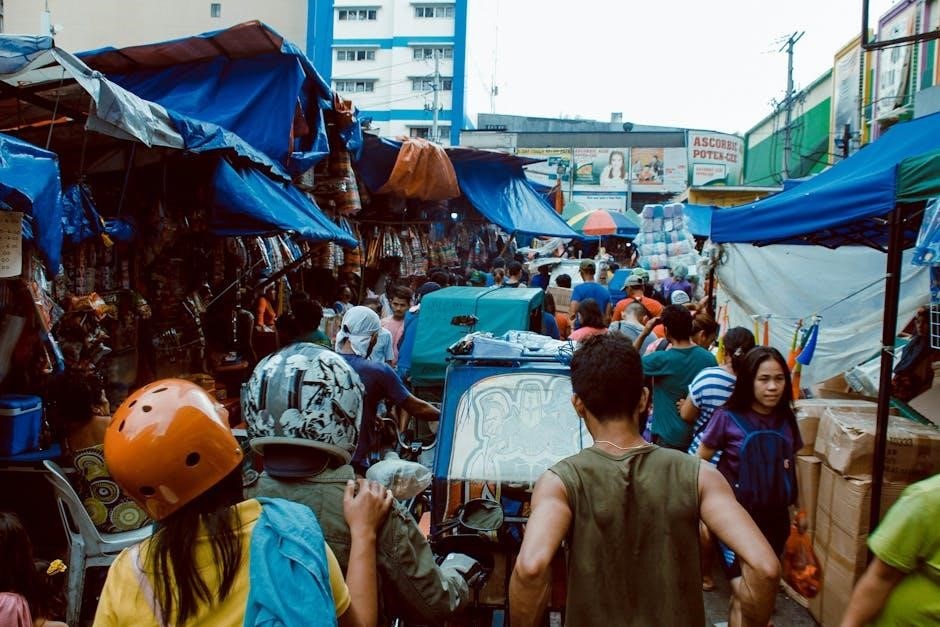
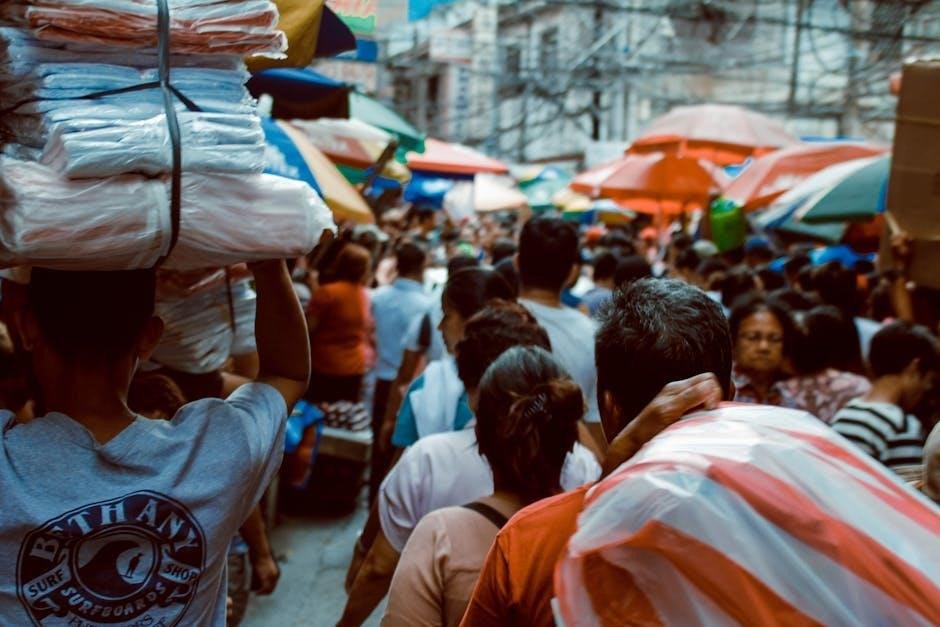
For a more traditional experience, explore local markets like Divisoria, known for its bargain prices and wide array of products. Here, you can find everything from clothing and accessories to electronics and household goods; Remember to bargain for the best deals! Manila truly offers a shopping experience for every budget and preference.
Practical Information for Travelers
Manila utilizes the Philippine Peso (PHP). Transportation options include taxis, jeepneys, and modern rail systems; Prioritize safety awareness and secure belongings while exploring this dynamic city.
Transportation within Manila
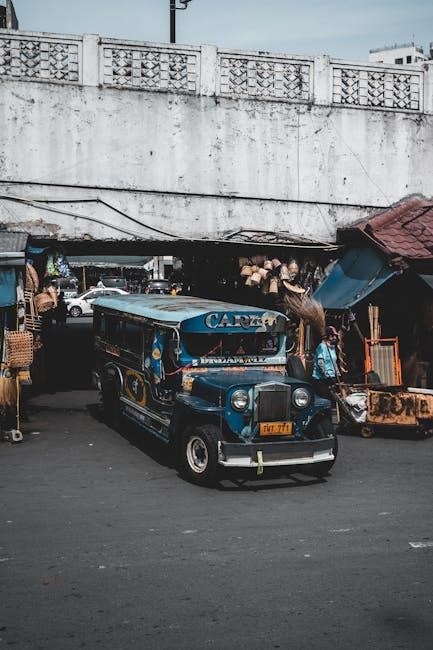
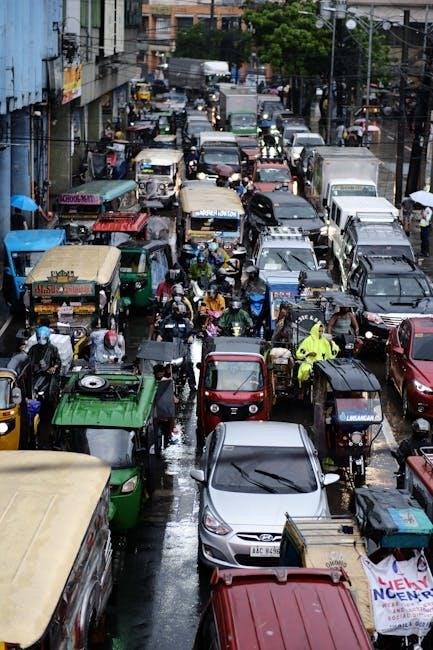
Navigating Manila presents a diverse range of options, though it can be challenging due to congestion. Traditional jeepneys offer a uniquely Filipino, affordable experience, but routes can be complex for newcomers. Taxis are readily available, ensuring metered fares are used is crucial; ride-hailing apps provide a convenient and often safer alternative.
The Metro Rail Transit (MRT) and Light Rail Transit (LRT) systems are efficient for traveling along major arteries, particularly during peak hours, though they can become crowded. Buses connect various parts of the city, but traffic delays are common. For airport transfers, pre-booked car services or airport buses are recommended. Consider the time of day when planning travel, as traffic significantly impacts journey durations. Walking is feasible in certain districts, like Intramuros, but distances can be considerable.
Currency and Exchange Rates
The official currency of the Philippines is the Philippine Peso (PHP), denoted by the symbol ₱. As of March 6, 2026, exchange rates fluctuate, but generally, 1 USD is approximately equivalent to ₱56.50 PHP. It’s advisable to check the current exchange rate before your trip for the most accurate conversion.
Major credit cards, such as Visa and Mastercard, are widely accepted in larger establishments, including hotels, shopping malls, and upscale restaurants. However, smaller vendors and local markets typically prefer cash. Currency exchange services are readily available at banks, airports, and authorized money changers. Avoid exchanging money with unofficial sources to prevent fraud. ATMs are widespread in Manila, allowing convenient cash withdrawals, but be aware of potential transaction fees levied by both your bank and the ATM operator. Keeping smaller denominations of pesos is useful for everyday transactions.
Safety and Security Considerations
Manila, like any major metropolis, requires visitors to exercise a degree of caution. Petty theft, such as pickpocketing and bag snatching, can occur in crowded areas, particularly in public transportation and tourist hotspots. Be mindful of your belongings and avoid displaying expensive jewelry or electronics.
Traffic congestion is a significant issue in Manila, so be cautious when crossing streets and consider using ride-hailing services or taxis. Avoid walking alone in poorly lit or unfamiliar areas, especially at night. Be aware of your surroundings and trust your instincts. It’s advisable to keep copies of important documents, such as your passport and visa, separate from the originals. Register with your embassy or consulate upon arrival. While generally safe, be informed about potential scams targeting tourists and avoid engaging with unsolicited offers. Staying vigilant and informed will contribute to a safe and enjoyable trip.