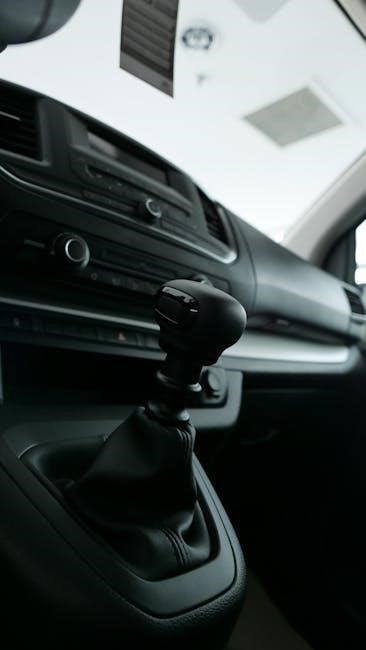
The Acura RSX, particularly with a manual transmission, offers a spirited driving experience. Popular swaps like the K24 enhance torque, while addressing SRS light issues is common.
Many enthusiasts upgrade brakes with TL calipers and rotors, and the S2000 cluster retrofit is a sought-after interior modification.
Overview of the RSX and its Transmission Options
The Acura RSX, produced from 2002 to 2006, was a compact sports coupe aiming to blend practicality with engaging performance. It was available with several powertrain configurations, most notably featuring a 2.0-liter inline-four engine. Transmission choices included a five-speed manual and a five-speed automatic.
The base RSX utilized the K20A3 engine paired with either transmission, while the higher-performance RSX-S boasted the K20Z1, exclusively available with a six-speed manual. This difference significantly impacted driving dynamics. Owners frequently pursue modifications, including K24 engine swaps for increased torque, and address common issues like SRS light malfunctions.
Why the Manual Transmission is Preferred
Enthusiasts overwhelmingly favor the manual transmission in the Acura RSX for its enhanced driver engagement and control. The precise shifting experience allows for optimal power delivery, particularly with the K20Z1 in the RSX-S model. Many find the automatic lacks the responsiveness desired in a sports coupe.
Furthermore, the manual transmission offers greater reliability and simpler maintenance compared to the automatic. It also unlocks the full potential for modifications, like K24 swaps, and provides a more direct connection to the vehicle, appealing to those seeking a truly spirited driving experience.
RSX Transmission Types & Identification
The RSX featured two primary manual transmissions: the K20A3 (base) and K20Z1 (RSX-S). Identifying your transmission is crucial for parts and maintenance compatibility.
K20A3 Transmission (Base Model) ― Specifications
The K20A3 transmission, found in the base Acura RSX models, is a robust five-speed manual gearbox. It utilizes a cable-operated shift linkage, known for its direct feel. Gear ratios are tuned for a balance of fuel efficiency and everyday drivability, rather than outright performance.
Typically paired with the 2.0L K20A3 engine, it features a final drive ratio of 4.769. This configuration provides adequate acceleration for daily commuting. While durable, the K20A3 synchros are sometimes prone to wear over time, potentially leading to grinding issues, especially with aggressive shifting. It’s a solid, reliable unit for a standard RSX.
K20Z1 Transmission (RSX-S Model) ⎼ Specifications
The K20Z1 transmission, exclusive to the Acura RSX-S, is a close-ratio five-speed manual designed for performance. It also employs a cable-operated shift linkage, but with slightly different tuning for quicker, more precise shifts. Its gear ratios are shorter than the K20A3, maximizing acceleration and track performance.
Paired with the high-revving K20Z1 engine, it boasts a final drive ratio of 4.769, similar to the base model, but the closer ratios allow the engine to stay within its powerband. The K20Z1 is generally considered more durable than the K20A3, though still susceptible to wear with hard use.
Identifying Your RSX Transmission
Determining your RSX’s transmission type is crucial for maintenance and upgrades. The easiest method is checking the engine: K20A3 engines correlate with the base transmission, while K20Z1 engines have the RSX-S transmission. However, engine swaps occur, so this isn’t foolproof.
Visually, the transmissions are similar, but the K20Z1 often features a slightly different casting number. Examining the transmission housing for stamped codes can confirm its identity. Online forums and communities dedicated to the RSX can assist with decoding these numbers for accurate identification.
Common RSX Manual Transmission Problems
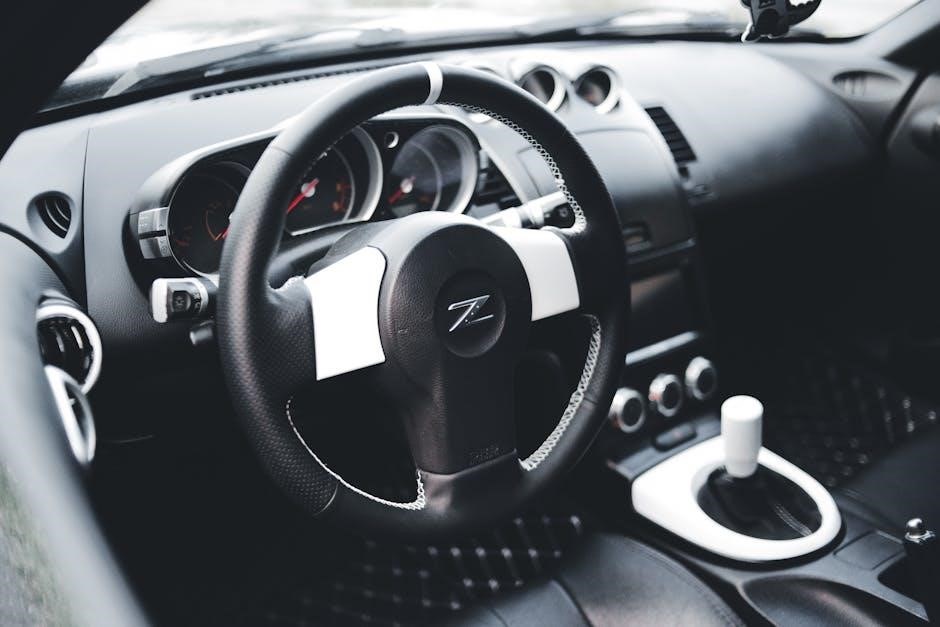
RSX manual transmissions are prone to synchro issues and gear grinding. Shift linkage problems and clutch slippage are also frequently reported by owners online.
Synchro Issues: Symptoms and Causes
Synchro issues within the RSX manual transmission commonly manifest as difficulty engaging specific gears, particularly 2nd and 3rd. A grinding noise during shifts is a key symptom, indicating the synchronizers aren’t properly matching gear speeds.
Causes often stem from wear and tear over time, exacerbated by aggressive shifting. Low transmission fluid levels or using the incorrect fluid type can also contribute to synchro failure. Internal damage to the synchro rings or sleeves is a frequent finding during inspection. Regular maintenance and proper shifting techniques can help prolong synchro life.
Ignoring these symptoms can lead to more significant transmission damage, requiring a complete rebuild or replacement.
Gear Grinding: Diagnosis and Repair
Gear grinding in an RSX manual transmission signals a problem with gear mesh, often linked to worn synchronizers, as previously discussed. Diagnosis begins with identifying when the grinding occurs – during shifts, or while in gear. This helps pinpoint the affected gear.
Repair typically involves transmission disassembly to inspect and replace worn synchronizers, shift forks, or gear teeth. Low transmission fluid can mimic grinding, so a fluid check is crucial. A complete transmission rebuild might be necessary for extensive damage. Proper installation and fluid filling are vital for a successful repair.
Shift Linkage Problems & Solutions
RSX manual transmissions can experience imprecise shifting due to worn or loose shift linkage components. Symptoms include difficulty selecting gears, a vague shifter feel, or excessive play. Inspect the linkage bushings for wear or cracking; these are common failure points.
Solutions range from replacing the bushings – a relatively inexpensive fix – to upgrading to an aftermarket short shifter for improved feel and throw. Ensure proper adjustment of the linkage after any repairs. Worn ball joints within the linkage can also contribute to issues, requiring replacement for smooth operation.
Clutch Issues: Slipping, Chatter, and Failure
RSX manual transmission clutches can exhibit several problems. Slipping occurs when the clutch disc cannot maintain grip, often during acceleration, indicating wear. Chatter, a shuddering sensation, suggests uneven wear or contamination. Complete clutch failure prevents gear engagement altogether.
Causes include normal wear, aggressive driving, or a contaminated clutch disc from leaking fluids. Inspect the clutch disc for wear, the pressure plate for damage, and the throw-out bearing for noise. Upgrading to a performance clutch can address power increases from K24 swaps.
RSX Transmission Maintenance
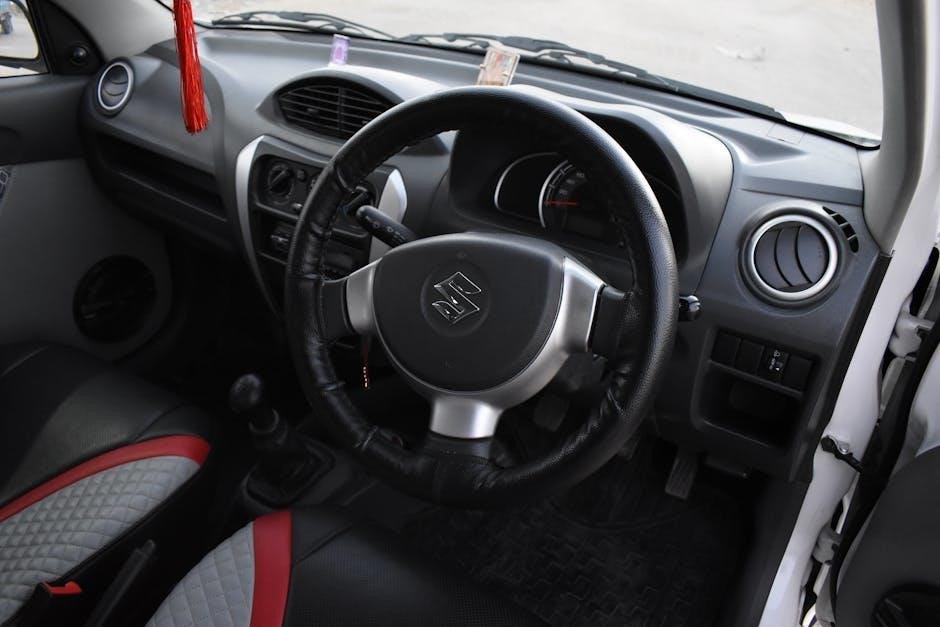
Regular fluid changes are crucial for RSX manual transmissions. Proper shifting techniques, avoiding harsh engagement, extend longevity. Inspect the clutch system routinely for optimal performance.
Recommended Fluid Type and Change Intervals
Maintaining the correct fluid level and type is paramount for a healthy RSX manual transmission. Honda Genuine Manual Transmission Fluid (MTF) is widely recommended by enthusiasts and professionals alike. Using alternative fluids may compromise synchro performance and longevity.
Change intervals depend on driving style. For normal daily driving, a fluid change every 30,000 miles is a good baseline. However, if you frequently engage in spirited driving, track days, or experience consistent hard shifting, reducing this interval to 15,000-20,000 miles is advisable. Always inspect the fluid’s condition – dark, metallic flakes indicate potential issues requiring immediate attention.
Proper Shifting Techniques for Longevity
Preserving your RSX’s manual transmission hinges on employing correct shifting techniques. Avoid “speed shifting” or forcing the gear lever; smooth, deliberate movements are key. Fully depress the clutch pedal during each shift to ensure complete disengagement. Rev-matching during downshifts minimizes stress on the synchronizers, preventing premature wear and potential grinding.
Refrain from resting your foot on the clutch pedal while driving, as this causes constant clutch plate wear. Gentle clutch engagement and release contribute to a longer lifespan. Consistent, mindful shifting habits will significantly extend the transmission’s reliability.
Inspecting the Clutch System
Regular clutch system inspection is vital for RSX manual transmission health. Check for signs of slippage, indicated by high engine RPMs with minimal acceleration. Examine the clutch pedal for excessive play or a spongy feel. Inspect the clutch disc for wear, discoloration, or damage during transmission service.
Look for fluid leaks around the master and slave cylinders. Address any chatter or vibrations promptly, as they suggest uneven wear or contamination. A thorough inspection helps identify potential issues before they escalate into costly repairs or failures;
RSX Transmission Upgrades & Modifications
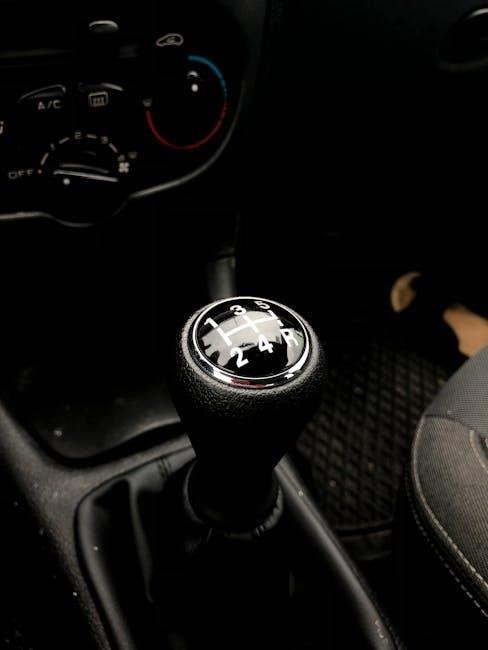
Enhance your RSX’s performance with upgrades like short shifters for quicker throws, lightweight flywheels for improved responsiveness, and performance clutch kits for increased durability.
Short Shifters: Installation and Benefits
Installation of a short shifter in your Acura RSX typically involves removing the existing shift linkage and replacing it with the shorter version. This isn’t overly complex, but requires basic mechanical skills and tools. Many aftermarket options are available, offering varying degrees of reduction in throw.
The benefits are significant: a shorter throw translates to quicker, more precise gear changes. This improves the driving experience, especially for spirited driving or track use; Reduced shifter travel minimizes wasted motion, allowing for faster shifts and better control. It can also make the car more engaging and fun to drive on a daily basis.
Consider the type of driving you do when selecting a short shifter; some are more aggressive than others.
Lightweight Flywheels: Performance Impact
Installing a lightweight flywheel on your RSX manual transmission significantly alters engine behavior. Reducing rotational mass allows the engine to rev more freely and quickly, improving acceleration. However, this comes with trade-offs.
Performance gains include faster engine response and a more connected feel during shifts. The reduced inertia demands more precise clutch control, potentially making smooth launches more challenging for inexperienced drivers. Increased engine responsiveness is noticeable during both acceleration and deceleration.
Expect some added engine noise and potential for increased clutch chatter. Careful consideration of driving style is crucial.
Clutch Upgrades: Choosing the Right Clutch
Selecting the correct clutch for your RSX manual transmission depends heavily on your power goals and driving style. Stock clutches are adequate for mild modifications, but increased horsepower from a K24 swap or turbocharging necessitates an upgrade.
Options range from slightly upgraded organic clutches for street use to aggressive multi-puck clutches designed for track performance. Consider pedal effort; performance clutches often require significantly more force. A slipping clutch indicates the need for replacement or upgrade.
Proper installation and break-in are vital for longevity and optimal performance.
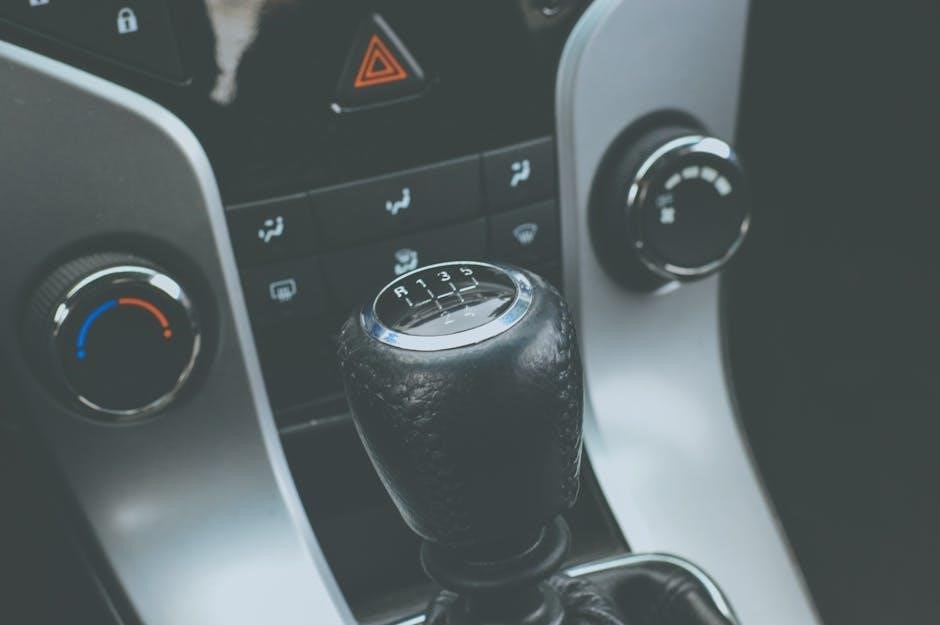
K24 Engine Swap into RSX with Manual Transmission
A K24 engine swap into an RSX delivers increased torque and improved drivability, offering a reliable power upgrade for daily driving and performance builds.
Benefits of the K24 Swap
The K24 engine swap presents a compelling upgrade path for the Acura RSX, particularly for those seeking enhanced torque without the complexities of high-horsepower builds. Unlike the K20A3 found in base models, the K24 offers a broader, more usable powerband, making it ideal for daily driving scenarios.
This swap doesn’t necessarily chase peak numbers, but rather focuses on improving the overall driving experience. Owners report a noticeable increase in low-end and mid-range power, resulting in more effortless acceleration and improved responsiveness. Reliability remains high, as the K24 is known for its robust construction and durability, making it a practical choice for a daily-driven RSX.
Compatibility Considerations
Successfully executing a K24 swap into an RSX requires careful attention to compatibility. While the K24 physically fits, utilizing the existing RSX manual transmission necessitates specific considerations. Ensuring proper alignment and functionality demands attention to detail during the installation process.
Brake system upgrades, like the popular TL caliper and rotor setup, often require 5mm spacers to achieve proper fitment. Electrical integration, particularly concerning the SRS system, can present challenges, requiring troubleshooting and potential DIY fixes. Wheel offset also becomes crucial, with positive offsets generally recommended for optimal fitment.
Required Components for a K24 Swap
A complete K24 swap into an RSX with a manual transmission demands a comprehensive parts list. Beyond the K24 engine itself, you’ll need the corresponding engine harness and ECU. Retaining the RSX’s existing manual transmission is possible, but may require a custom flywheel and clutch setup for compatibility.
Additional necessities include motor mounts, axles (potentially custom lengths), and potentially upgraded fuel injectors. Addressing the braking system often involves TL calipers, rotors, and spacers. Don’t forget to factor in fluids, hoses, and potentially a new exhaust system to accommodate the engine swap.
RSX Brake Upgrades Related to Transmission Swaps
Upgrading to TL calipers and rotors is a popular choice when swapping engines in the RSX. Spacers may be needed for proper fitment and compatibility.
TL Caliper and Rotor Upgrade ― Procedure
Step 1: Jack up the RSX securely and remove the front wheel. Disconnect the brake line, caliper, and rotor. Step 2: Drill out the caliper mounting holes in the knuckle using a 1/2 inch bit, then finish with a 9/16 inch bit for the TL caliper bolts.
Step 3: Trim or remove the dust shield to accommodate the larger TL rotor. Step 4: Install a 5mm spacer, ensuring proper alignment. Step 5: Mount the TL rotor and then the TL caliper with new brake pads; Step 6: Reconnect the brake line and thoroughly bleed the brakes to remove any air.
Step 7: Finally, reinstall the wheel and test the brakes carefully before driving. Proper bleeding is crucial for optimal performance and safety.
Spacer Installation for Brake Compatibility
When upgrading to Acura TL calipers and rotors on an RSX, a 5mm spacer is often necessary for proper fitment. This spacer addresses the dimensional differences between the RSX and TL braking systems, ensuring the caliper aligns correctly over the larger rotor.
Installation involves placing the spacer between the knuckle and the caliper mounting bracket. It’s vital to verify the spacer is correctly seated and doesn’t interfere with any other components. Proper torque specifications for the caliper mounting bolts must be followed to maintain brake safety.
The spacer ensures adequate clearance and prevents rubbing, contributing to optimal braking performance.
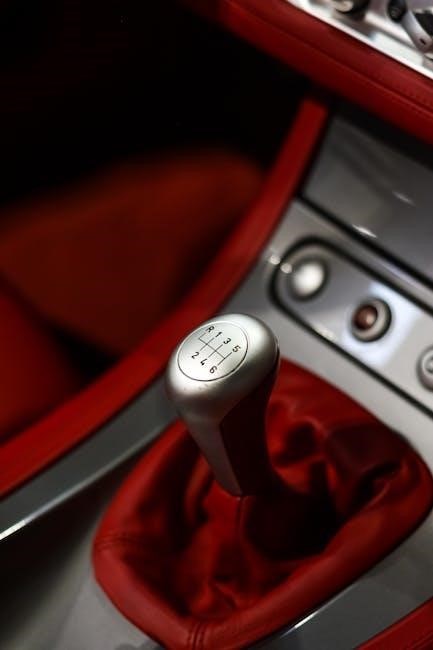
RSX Interior Modifications & Gauges
A popular upgrade is the S2000 cluster retrofit, providing a unique aesthetic. Pinouts are available online, simplifying the installation process for RSX owners.
S2000 Cluster Retrofit Guide
Preparation is Key: Before beginning, gather all necessary components – the S2000 cluster itself, wiring diagrams (Petah’s pinouts are invaluable), and basic tools. Disconnect the negative terminal of your RSX battery for safety. Removing the RSX’s steering wheel column cover grants access to the original cluster wiring.
Wiring Integration: Carefully match the S2000 cluster pins to the corresponding RSX wires, referencing the pinout diagrams. This involves connecting power, ground, illumination, and signal wires. Soldering and heat-shrinking connections are recommended for reliability. Ensure proper grounding to avoid electrical issues.
Installation & Testing: Securely mount the S2000 cluster in the RSX dashboard. Reconnect the battery and test functionality. Address any lighting or signal discrepancies by revisiting the wiring connections. A successful retrofit enhances the RSX’s interior with a sporty, distinctive look.
RSX Electrical System Issues
The RSX is prone to SRS light issues, often triggered by system hiccups. DIY fixes exist, but proceed cautiously, as improper handling can cause damage.
SRS Light Troubleshooting and DIY Fixes
A common DIY fix involves locating and disconnecting the passenger-side seatbelt buckle connector. After a brief disconnection, reconnect it firmly. This can sometimes reset the system and extinguish the SRS light. However, this is a temporary solution and doesn’t address the underlying cause. If the light persists, professional diagnostics are strongly recommended to identify and resolve the root problem, potentially involving sensor or wiring issues.
Remember, tampering with the SRS system carries inherent risks.
RSX Power Steering Conversion
Converting to electronic power steering (EPS) is a popular RSX modification. This DIY upgrade offers improved feel and eliminates the traditional power steering pump setup.
Electronic Power Steering Conversion DIY
Embarking on an electronic power steering (EPS) conversion for your RSX requires careful planning and execution. The process involves sourcing a compatible EPS unit, typically from a later-model Honda or Acura. Disconnecting the original hydraulic system is the first step, followed by mounting the EPS motor and control module.
Wiring can be complex, demanding precise connections to the vehicle’s electrical system. Proper calibration of the EPS unit is crucial for optimal steering feel and assistance. Many DIY guides detail the necessary wiring diagrams and calibration procedures. Ensure thorough testing after installation to verify functionality and safety before driving.
RSX Wheel and Offset Considerations
For the RSX, positive wheel offsets are generally recommended to ensure proper fitment and handling. Offset changes with wheel width, impacting clearance and aesthetics.
Understanding Wheel Offset and Fitment
Wheel offset is a crucial factor when selecting aftermarket wheels for your Acura RSX. It’s the distance between the wheel’s mounting surface and its centerline. Positive offset pushes the wheel outward, while negative offset pulls it inward. For the RSX, maintaining a positive offset is generally advised to avoid rubbing against suspension components or the fender.
The correct offset depends on wheel width; a wider wheel requires a different offset than a narrower one to achieve the same stance. Incorrect offset can negatively impact handling and potentially cause damage. Careful consideration of these factors ensures optimal fitment and performance.
Positive Offset Recommendations for RSX
Generally, a positive wheel offset is recommended for the Acura RSX to ensure proper fitment and avoid interference. A range of +45 to +55mm is typically suitable for 17-inch wheels, offering a balanced appearance and handling characteristics. However, this can vary based on wheel width and tire size.
Experimentation within this range might be necessary to achieve the desired flush look. Remember that a higher positive offset will tuck the wheel further inward, while a lower offset will push it outward. Always prioritize clearance and safe handling.
Resources for RSX Manual Transmission Information
Online RSX forums and communities provide valuable insights and DIY guides. Parts suppliers offer transmission components, while retailers stock clutch upgrades and more.
Online Forums and Communities
AcuraRSX.com stands as a cornerstone for RSX enthusiasts, boasting extensive threads on manual transmission issues, swaps, and maintenance. Honda-Tech features a dedicated Acura section where RSX owners share experiences and solutions, particularly regarding synchro problems and gear grinding.
ClubRSX provides a vibrant community focused on modifications, including K24 swaps and brake upgrades. Facebook groups like “RSX Type-S Owners” offer quick access to advice and troubleshooting. These platforms are invaluable for diagnosing SRS light issues and finding information on S2000 cluster retrofits, offering a wealth of collective knowledge.
Parts Suppliers and Retailers
Honda Genuine Parts offers OEM components for transmission maintenance, including fluids and clutch kits, ensuring compatibility. Acura Parts Warehouse specializes in Acura-specific parts, ideal for addressing common RSX issues like synchro wear.
Enjuku Racing provides performance upgrades such as short shifters and lightweight flywheels. eBay and Amazon offer a wide range of aftermarket parts, including clutch upgrades and K24 swap components; For specialized items like TL caliper spacers, check Integrated Motor Sports. Reliable suppliers are crucial for successful modifications.