Maintaining the vibrancy and longevity of your vinyl shirts requires mindful washing practices. Proper care, guided by specific instructions, ensures your designs
remain beautiful through numerous washes and wears, preserving the quality of the heat transfer vinyl.
Understanding Heat Transfer Vinyl (HTV)
Heat Transfer Vinyl (HTV) is a versatile material used to create durable and visually appealing designs on fabrics. Unlike traditional screen printing, HTV adheres to textiles through heat and pressure, essentially melting the adhesive into the fabric fibers.
Understanding this process is crucial for proper washing. Because the vinyl bonds by melting, exposing it to high heat during washing or drying can potentially re-melt the adhesive, leading to peeling or distortion. Different HTV types – glitter, flocked, smooth – possess varying levels of durability and heat resistance. Some, like those from Heatflexonline, demonstrate exceptional longevity with careful handling. Therefore, knowing your vinyl type is paramount for implementing the correct washing procedures and preserving your garment’s design.
The Importance of Proper Care
Proper care extends the life of your vinyl shirts, safeguarding your investment and the artistry of the design. Ignoring washing instructions can lead to premature peeling, fading colors, or a generally worn appearance. While some HTV types, like a favorite white glitter HTV, are remarkably resilient, even these benefit from gentle treatment.
Consistent adherence to recommended guidelines – cold water, mild detergent, gentle cycles – minimizes stress on the vinyl bond. Avoiding harsh chemicals and high heat prevents the adhesive from weakening. Providing customers with clear care instructions, perhaps through printable cards or online guides, demonstrates professionalism and ensures their satisfaction; Ultimately, proactive care preserves the vibrancy and integrity of your creations.
Initial Considerations Before Washing
Before washing, identify your vinyl type and check manufacturer recommendations for specific care. Always prioritize a cold wash to prevent potential damage to the HTV.
Identifying Your Vinyl Type
Understanding the specific type of heat transfer vinyl (HTV) used on your shirt is crucial for proper care. Different vinyls possess varying levels of durability and heat resistance. Glitter HTV, for example, may require extra caution compared to standard vinyl. Knowing the material allows you to tailor your washing approach accordingly.
Consider the brand and product details; some manufacturers provide detailed washing instructions specific to their HTV. If unsure, err on the side of caution and treat it as a more delicate vinyl. This proactive approach minimizes the risk of peeling, fading, or damage during laundering. Identifying the vinyl type is the first step towards preserving your custom designs.
Resources like the manufacturer’s website or product packaging can offer valuable insights. When in doubt, a gentle washing routine is always the safest bet for maintaining the integrity of your vinyl creations.
Checking for Manufacturer Recommendations
Always prioritize the care instructions provided by the HTV manufacturer. These recommendations are specifically tailored to the vinyl’s composition and adhesive properties, offering the most accurate guidance for washing. Look for tags, labels, or online resources detailing washing temperatures, detergent types, and drying methods.
Manufacturer guidelines often address specific concerns, such as avoiding harsh chemicals or excessive stretching. Following these instructions significantly increases the lifespan of your vinyl designs. Ignoring them could lead to premature peeling, fading, or cracking of the HTV.
If recommendations are unavailable, a conservative approach is best. Gentle cycles, cold water, and air drying are generally safe for most HTV types, ensuring your custom shirts remain vibrant and intact for years to come.
The “Cold Wash” Rule
The cornerstone of preserving your vinyl shirts is consistently washing them in cold water. Heat is the primary enemy of HTV, as it can reactivate the adhesive and cause the vinyl to lift, peel, or distort. Warm water should be considered a maximum temperature, with cold being the ideal choice.
This rule stems from the way HTV bonds to fabric – the adhesive essentially melts into the fibers. Re-exposing it to heat during washing risks weakening that bond. Cold water minimizes this risk, ensuring the vinyl remains securely attached.
Adhering to the cold wash rule, even for seemingly durable HTV, is a proactive step towards extending the life and vibrancy of your custom designs, protecting your investment.
Washing Machine Best Practices
Employing gentle settings on your washing machine is crucial for vinyl shirt care. Prioritize cold water, mild detergents, and a delicate cycle to protect the vinyl’s integrity.
Water Temperature: Cold or Warm Only
Maintaining a low water temperature is paramount when washing garments adorned with heat transfer vinyl (HTV). The adhesive within HTV is reactivated by heat, and excessively hot water can cause it to re-melt and potentially lift or distort the design. Always opt for cold water, and if you prefer a slightly warmer wash, ensure it doesn’t exceed a lukewarm temperature.
Craftables emphasizes that HTV essentially melts the adhesive into the fabric during application. Introducing high heat during washing risks reversing this process, compromising the bond between the vinyl and the shirt. Consistent use of cold or warm water safeguards the vinyl, preserving the design’s appearance and durability through repeated washes. This simple precaution significantly extends the life of your customized apparel.
Detergent Selection: Mild is Key
Choosing the right detergent is crucial for preserving the integrity of your vinyl shirts. Harsh chemicals, bleach, and fabric softeners can break down the adhesive in heat transfer vinyl (HTV), leading to peeling, cracking, or fading of the design. Opt for a mild, fragrance-free detergent specifically designed for delicate fabrics.
Avoid detergents containing enzymes or brighteners, as these can also negatively impact the vinyl. A gentle formula will effectively clean the garment without compromising the bond between the HTV and the fabric. Prioritizing a mild detergent ensures your custom designs remain vibrant and intact, extending the lifespan of your cherished vinyl apparel. This simple choice makes a significant difference!
Wash Cycle: Gentle Cycle Preferred
Selecting the appropriate wash cycle is paramount when cleaning vinyl shirts. A gentle cycle minimizes agitation, reducing stress on the vinyl design and preventing premature wear. Avoid using harsh or vigorous wash cycles, such as a permanent press or heavy-duty setting, as these can cause the vinyl to lift, crack, or peel over time.
Opting for a gentle cycle with a slower spin speed further protects the vinyl’s adhesion. This careful approach ensures the fabric is cleaned effectively while safeguarding the integrity of your custom designs. Remember, less agitation equals longer-lasting vinyl, preserving the beauty of your personalized apparel for years to come.
Turning the Shirt Inside Out
A crucial step in preserving your vinyl shirt’s design is to turn it inside out before washing. This simple act shields the vinyl from direct friction against other garments and the washing machine drum, significantly reducing the risk of cracking or peeling. By inverting the shirt, you protect the delicate surface of the heat transfer vinyl during the wash cycle.
This preventative measure minimizes abrasion and exposure to harsh detergents, extending the life of your customized apparel. Consider it a small effort with a substantial reward – maintaining the vibrant appearance of your designs wash after wash. It’s a best practice recommended by vinyl application experts.
Drying Your Vinyl Shirt
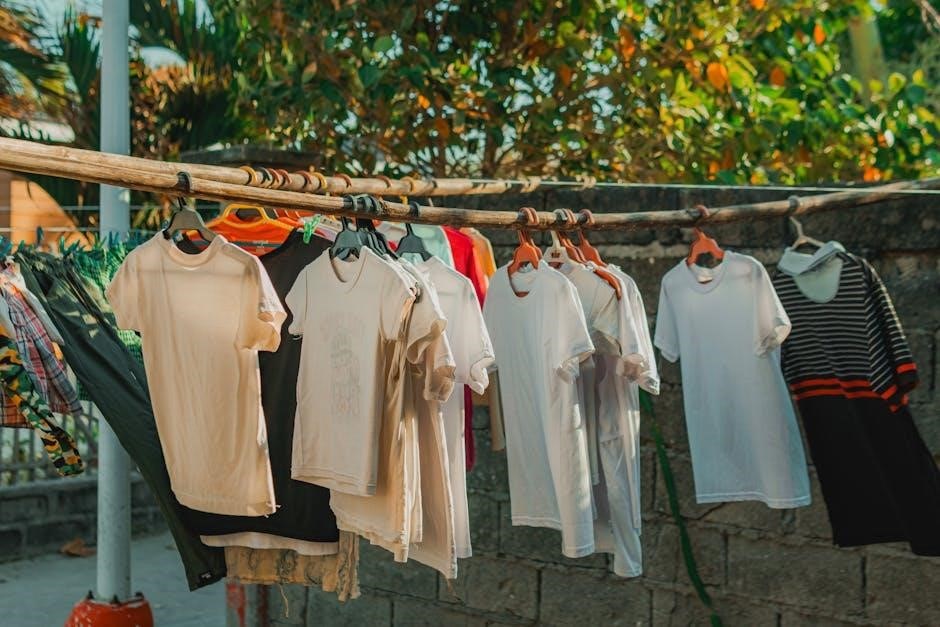
Proper drying techniques are vital for vinyl shirt longevity. Air drying is safest, but if using a machine, always select a low heat setting to prevent damage.
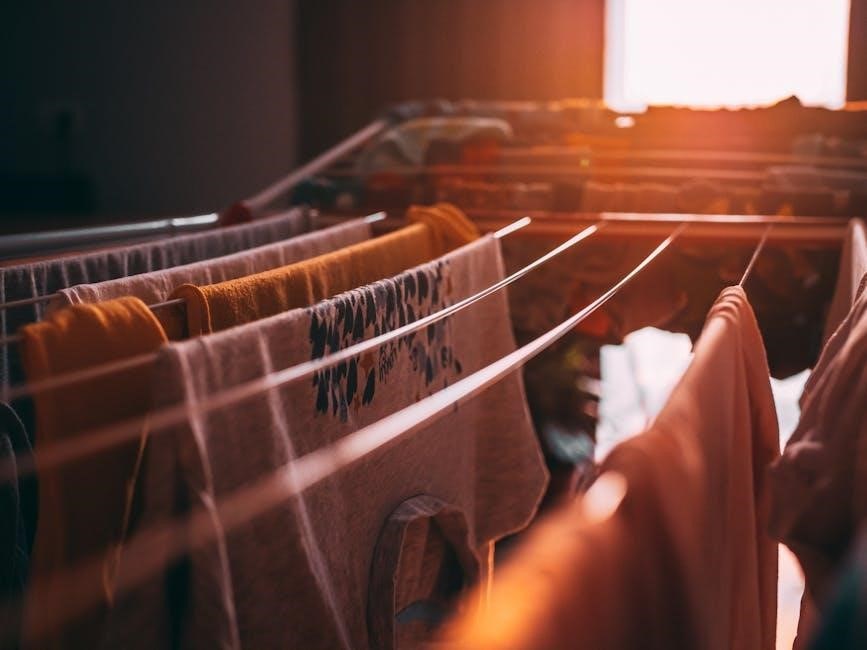
Air Drying: The Safest Method
When it comes to preserving the integrity of your heat transfer vinyl (HTV) designs, air drying is unequivocally the safest method. Unlike the heat generated by a machine dryer, air drying eliminates the risk of re-melting the adhesive that bonds the vinyl to the fabric. This is particularly crucial, as excessive heat can cause peeling, cracking, or distortion of the design over time.
To air dry effectively, gently reshape the shirt after washing and lay it flat on a clean, dry surface, such as a drying rack or a clean towel. Avoid direct sunlight, as prolonged exposure can lead to fading of both the fabric and the vinyl colors. Ensure the shirt is completely dry before folding or storing it, as any residual moisture can contribute to mildew growth or damage the vinyl.
While it may take longer than machine drying, the peace of mind knowing you’re protecting your investment in customized apparel makes air drying the preferred choice for many HTV enthusiasts.
Tumble Drying: Low Heat Only
If you choose to tumble dry your vinyl shirts, exercising extreme caution is paramount. High heat is the enemy of HTV, potentially causing the adhesive to weaken and the vinyl to peel or crack. Therefore, always select the lowest heat setting available on your dryer. Even on low, consider using a delicate or gentle cycle to minimize heat exposure.
It’s also advisable to turn the shirt inside out before placing it in the dryer. This provides a protective layer, shielding the vinyl directly from the heat source. Check the shirt frequently during the drying process to prevent over-drying, which can exacerbate heat damage.
Remember, air drying remains the safest option, but if convenience dictates tumble drying, low heat and careful monitoring are essential for preserving your HTV designs.
Avoiding High Heat Exposure
Protecting your vinyl shirts from excessive heat is crucial for maintaining the integrity of the heat transfer vinyl. High temperatures can cause the adhesive to break down, leading to peeling, cracking, or warping of the design. This applies not only to drying but also to ironing and even prolonged exposure to direct sunlight.
Be mindful of leaving garments in hot cars or near heat sources. When ironing, always use a protective barrier, such as a pressing cloth, between the iron and the vinyl. Avoid hot water during washing, opting instead for cold or warm water to prevent re-melting the adhesive.
Prioritizing low-heat methods and shielding your shirts from intense heat will significantly extend the life and vibrancy of your custom designs.
Ironing Vinyl Shirts
When ironing, utilize a protective barrier like a pressing cloth, and employ low to medium temperature settings to avoid damaging the vinyl’s adhesive.
Ironing Precautions: Use a Barrier
Direct heat application can compromise the integrity of heat transfer vinyl (HTV), potentially causing it to melt, peel, or distort. Therefore, always employ a protective barrier between the iron and the vinyl design. A pressing cloth, such as a thin cotton pillowcase or Teflon sheet, effectively diffuses the heat, safeguarding the vinyl’s adhesive properties.
This precaution is especially crucial for glitter HTV, which is more sensitive to high temperatures. Without a barrier, the glitter particles can melt and adhere to the iron, ruining both the design and the ironing surface. Furthermore, avoid using steam during ironing, as excessive moisture can also negatively impact the vinyl’s adhesion. Prioritizing these simple steps ensures your iron-on creations remain vibrant and intact for a prolonged period.
Temperature Settings for Ironing
When ironing shirts adorned with heat transfer vinyl (HTV), selecting the appropriate temperature setting is paramount. Generally, a medium heat setting – often equivalent to the cotton or linen setting on most irons – is recommended. However, always consult the HTV manufacturer’s specific guidelines, as different vinyl types may require varying temperatures.
Begin with a lower temperature and gradually increase it if necessary, testing on an inconspicuous area first. Avoid excessively high heat, as this can melt or distort the vinyl. Remember to use a pressing cloth as a barrier, further protecting the design. Consistent, gentle pressure is more effective than intense heat, ensuring a smooth and lasting bond between the vinyl and the fabric.
Avoiding Direct Contact with the Vinyl
Direct contact between the iron and the vinyl surface should be strictly avoided during ironing. The high heat can cause the vinyl to melt, bubble, or even peel away from the fabric. Always utilize a protective barrier, such as a pressing cloth – a thin piece of cotton fabric like a pillowcase or muslin – placed between the iron and the design.
This cloth diffuses the heat, preventing localized overheating and safeguarding the vinyl’s integrity. Similarly, when storing ironed shirts, avoid stacking them directly on top of each other, which could cause the vinyl to adhere to other surfaces. Careful handling and protection are key to preserving the vibrancy and longevity of your HTV creations.

Long-Term Care and Maintenance
To ensure lasting quality, avoid harsh chemicals, excessive stretching, and prolonged exposure to high heat. Proper storage, away from direct sunlight, will also help preserve your vinyl designs.
Avoiding Harsh Chemicals
Protecting your vinyl shirts means steering clear of aggressive laundry agents. Bleach, fabric softeners, and strong detergents can significantly diminish the vinyl’s adhesive properties, leading to cracking, peeling, or fading over time. These chemicals break down the vinyl’s composition, compromising its bond with the fabric.
Opt for mild, color-safe detergents specifically designed for delicate fabrics. These gentler formulas effectively clean without causing undue stress to the vinyl. When hand washing, avoid direct contact between the detergent and the vinyl design. Always ensure the detergent is fully dissolved in the water before introducing the garment.
Furthermore, be cautious of stain removers, as many contain harsh chemicals. If a stain necessitates treatment, test the product on an inconspicuous area of the shirt first to assess its impact on the vinyl. Prioritizing gentle cleaning methods will extend the life and vibrancy of your custom vinyl creations.
Preventing Excessive Stretching
Maintaining the shape of your vinyl shirt is crucial for preserving the integrity of the design. Excessive stretching during washing can distort the vinyl, causing it to lift, crack, or appear misshapen. Avoid overloading the washing machine, as this restricts movement and increases strain on the fabric and vinyl.
When loading the machine, ensure the shirt has enough space to move freely. A gentle wash cycle minimizes agitation and reduces the risk of stretching. Avoid vigorous hand-wringing or twisting, as these actions can also distort the garment.
Lay the shirt flat or hang it to dry, avoiding wire hangers that can leave indentations and stretch the shoulders. Proper handling during washing and drying will help maintain the shirt’s original form and keep your vinyl design looking its best for years to come.
Storage Recommendations
Proper storage significantly extends the life of your vinyl shirts, protecting both the fabric and the heat transfer vinyl. Avoid folding shirts directly over the vinyl design, as this can cause cracking or peeling over time. Instead, consider hanging them on padded hangers to maintain their shape and prevent creases.
If folding is necessary, turn the shirt inside out to protect the vinyl from direct friction. Store shirts in a cool, dry place away from direct sunlight, which can cause fading. Avoid storing them in plastic bags, as they trap moisture and can lead to mildew.
Breathable garment bags or fabric storage containers are ideal. Careful storage practices, combined with proper washing, ensure your custom shirts remain vibrant and well-preserved for a long time.
Troubleshooting Common Issues
Addressing peeling, fading, or minor damage to your vinyl shirts requires prompt attention. Simple repairs and preventative measures can often restore designs and extend garment life.
Dealing with Peeling Vinyl
If you notice peeling vinyl, immediate action can sometimes prevent further damage. Often, peeling indicates improper initial heat pressing or inadequate washing care. Avoid further washing until addressed. For minor peeling at the edges, carefully re-press the area with a Teflon sheet, applying firm, even pressure.
However, significant peeling suggests a deeper issue – potentially a low-quality HTV or excessive wear. If the vinyl is severely compromised, professional repair might be necessary, or replacement is the most viable option. Always prioritize gentle washing techniques, cold water, and inside-out turning to minimize future peeling incidents. Remember, some HTV types are more durable than others, impacting longevity.
Consider the HTV brand and type when assessing the damage; some are known for superior adhesion and washability.
Addressing Fading Colors
Fading of vinyl colors, particularly vibrant shades, can occur over time with repeated washing. Minimize fading by always washing shirts inside out, shielding the vinyl from direct agitation. Use a mild detergent formulated for colors, avoiding bleach or harsh chemicals that strip dye.
Lower water temperatures are crucial; cold or warm water preserves color integrity better than hot water. Air drying is the gentlest option, as tumble drying, even on low heat, can contribute to fading. Consider using color-boosting laundry additives occasionally to revitalize the vinyl’s appearance.
The quality of the HTV itself plays a role; higher-grade vinyls are generally more fade-resistant. Regular, gentle care significantly extends the life and vibrancy of your vinyl designs.
Repairing Minor Damage
Small areas of peeling or lifting vinyl can sometimes be repaired, extending the life of your garment. Carefully clean the area around the damage with a soft cloth and isopropyl alcohol. Re-press the lifted vinyl using a Teflon sheet or parchment paper, applying moderate heat and pressure.
For more significant peeling, consider using a heat transfer vinyl bonding adhesive, following the manufacturer’s instructions precisely. Avoid attempting repairs on heavily damaged areas, as this may worsen the issue. If the design is severely compromised, professional repair or replacement might be necessary.
Preventative care, like following washing instructions diligently, is the best approach to minimize the need for repairs, ensuring your vinyl creations remain beautiful for longer.
Creating and Providing Care Instructions to Customers
Offering clear, concise care instructions—through printable cards, included notes, or online guides—ensures customers maintain the quality and longevity of their vinyl shirts.
Printable Care Instruction Cards
Designing visually appealing and informative care instruction cards is a fantastic way to educate your customers. These cards should clearly state to machine wash garments in cold or warm water, avoiding hot water which can potentially re-melt the HTV adhesive. Emphasize the importance of turning the shirt inside out before washing to protect the vinyl design from direct friction during the wash cycle.
Include a recommendation for using mild detergent, as harsh chemicals can cause fading or damage to the vinyl. Specify that tumble drying should be done on low heat, or preferably, to air dry the shirt to prevent shrinking or warping of the design. Consider adding a small graphic illustrating these points for quick understanding. Free printable templates are readily available online, allowing for easy customization with your branding!
Including Care Instructions with Purchase
Proactively providing care instructions directly with each purchase demonstrates excellent customer service and protects your brand’s reputation. Simply including a printed card – ideally the one you’ve designed (see printable options!) – inside the packaging ensures customers receive the information immediately. Alternatively, a small tag attached to the garment itself can serve as a constant reminder.
Don’t underestimate the power of a quick, handwritten note reiterating key points like cold water washing and low-heat drying. This personal touch can significantly enhance the customer experience. Consider adding a link to a more detailed online guide on your website, offering comprehensive care advice and troubleshooting tips. Ultimately, clear communication prevents disappointment and fosters customer loyalty.
Online Care Guides and Resources
Establishing a dedicated online resource for vinyl shirt care elevates your brand and provides accessible support. Create a detailed webpage on your website outlining best washing practices, including water temperature, detergent choices, and drying methods. Embed helpful visuals – images or short videos – demonstrating proper techniques.
Consider compiling a frequently asked questions (FAQ) section addressing common concerns like peeling vinyl or fading colors. Link to this guide from your product descriptions and order confirmation emails. Share the resource on your social media platforms, reinforcing its availability. Offering a comprehensive, easily-accessible online guide demonstrates commitment to customer satisfaction and extends the lifespan of your creations.